 Save
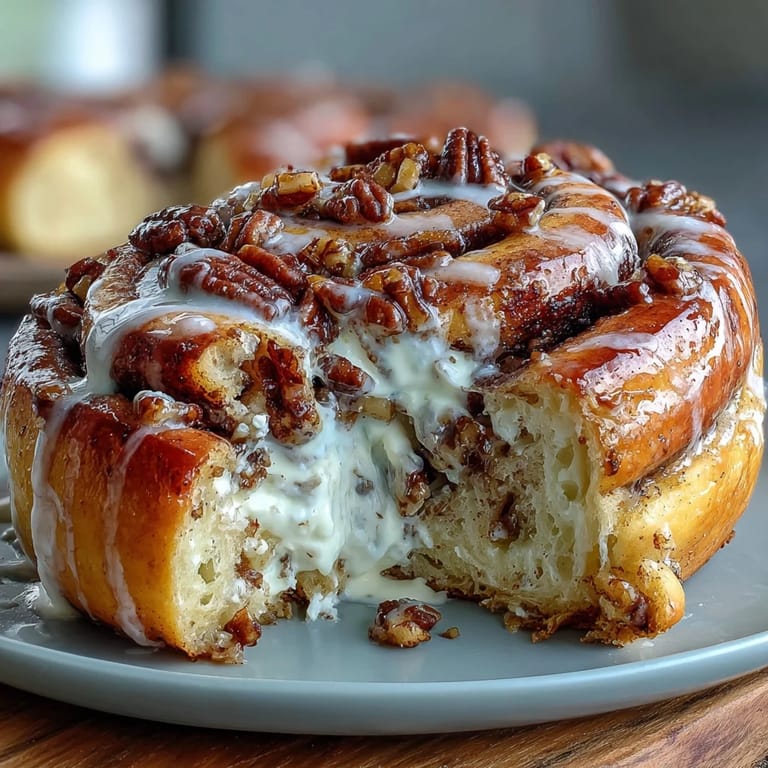
Save My trainer looked at my packed lunch one Tuesday and asked what I was eating so much of—turns out I'd been buying the same brand of protein bagels from the supermarket for two months straight, spending way too much money on something I could easily make at home. That afternoon, I decided to stop being lazy and create my own version, one that tasted even better and actually felt like real food instead of a fitness supplement in bagel form. The first batch surprised me: chewy, naturally sweet from the raisins, with that subtle cinnamon warmth that made my kitchen smell incredible. Now I make these every Sunday, and my mornings have completely changed.
I brought a batch to my sister's house last month, and she ate two before asking for the recipe—she's not even into fitness food, she just loved them. That's when I realized these aren't health bagels pretending to taste good; they're legitimately delicious bagels that happen to be packed with protein. My nephew asked for seconds and called them his new favorite breakfast, which was honestly the highest compliment I could ask for.
Ingredients
- Bread flour (3 ½ cups): Use this instead of all-purpose—it creates that chewy texture that makes bagels worth eating, and the higher protein content helps the dough structure hold up during boiling.
- Whey protein powder (¾ cup): Vanilla or unflavored both work beautifully; I've learned that unflavored is more versatile if you want to switch up the spice profile later.
- Instant yeast (2 ¼ tsp): This is one packet, and it's important to let it bloom with the warm water first so you know it's alive and active.
- Warm water (1 ¼ cups): At about 110°F—if it's too hot, you'll kill the yeast; if it's too cold, nothing rises.
- Honey or maple syrup (2 tbsp): This feeds the yeast and gives the bagels a subtle sweetness that the raisins build on.
- Ground cinnamon (1 tbsp): The warm spice is what makes people ask what you did differently—don't skip this or reduce it.
- Salt (1 ½ tsp): Use kosher or fine sea salt; it controls fermentation and brings out flavor depth.
- Raisins (¾ cup): Plump, soft ones are key—I sometimes soak mine in warm water for five minutes before adding so they're extra juicy.
- Honey or brown sugar for boiling (1 tbsp): This creates a slight shine on the bagels and adds a touch of subtle sweetness to the exterior.
- Greek yogurt (½ cup): Use 2% or 5% for the glaze; it's thick enough to cling to the bagel without sliding off.
- Powdered sugar (2 tbsp): Just enough to sweeten the glaze without making it cloying.
- Vanilla extract (½ tsp) and cinnamon pinch: These echo the bagel flavors and tie the whole experience together.
Tired of Takeout? 🥡
Get 10 meals you can make faster than delivery arrives. Seriously.
One email. No spam. Unsubscribe anytime.
Instructions
- Bloom the yeast:
- Pour your warm water into a large bowl, add the yeast and honey, and wait five minutes—you should see it get foamy and bubbly, which means it's ready to work. If nothing happens, your water was probably the wrong temperature, so start over.
- Build the dough:
- Stir the flour, protein powder, cinnamon, and salt into the yeast mixture until everything comes together into a shaggy mass that's hard to stir. Don't worry about smoothness yet; that's what kneading is for.
- Knead with purpose:
- Add the raisins and knead by hand or with a stand mixer's dough hook for 8 to 10 minutes until the dough becomes smooth, elastic, and springs back when you poke it. If it feels sticky, dust in a little extra flour, but don't go overboard or your bagels will be tough.
- Let it rise:
- Place the dough in an oiled bowl, cover it loosely with plastic wrap or a damp towel, and let it sit in a warm spot for about 45 minutes until it's noticeably puffy and has roughly doubled. I like to put mine near a sunny window or inside a turned-off oven.
- Prep for baking:
- While the dough rises, preheat your oven to 425°F and line a baking sheet with parchment paper—this prevents sticking and makes cleanup infinitely easier.
- Shape the bagels:
- Punch down the risen dough, divide it into eight equal pieces, and roll each piece into a smooth ball first. Then poke your thumb through the center of each ball and stretch it gently into a bagel shape with a hole in the middle, about the size of a donut.
- Boil them properly:
- Bring two quarts of water and one tablespoon of honey to a gentle boil in a large pot—the water should be rolling but not violently bubbling. Working in batches to avoid crowding, drop each bagel in and boil for 45 seconds on each side, then fish them out with a slotted spoon and place them on your prepared baking sheet.
- Bake until golden:
- Pop them into the 425°F oven for 18 to 20 minutes, watching until they turn a deep golden brown. Your kitchen will smell absolutely incredible during this part.
- Cool completely before glazing:
- Let the bagels sit on the baking sheet for at least 10 minutes, or cool them completely on a wire rack—this prevents the glaze from melting unevenly.
- Make the glaze:
- Whisk together the Greek yogurt, powdered sugar, vanilla, and a pinch of cinnamon until perfectly smooth. If it's too thick, thin it with a teaspoon of water; if it's too thin, add a bit more powdered sugar.
- Glaze and serve:
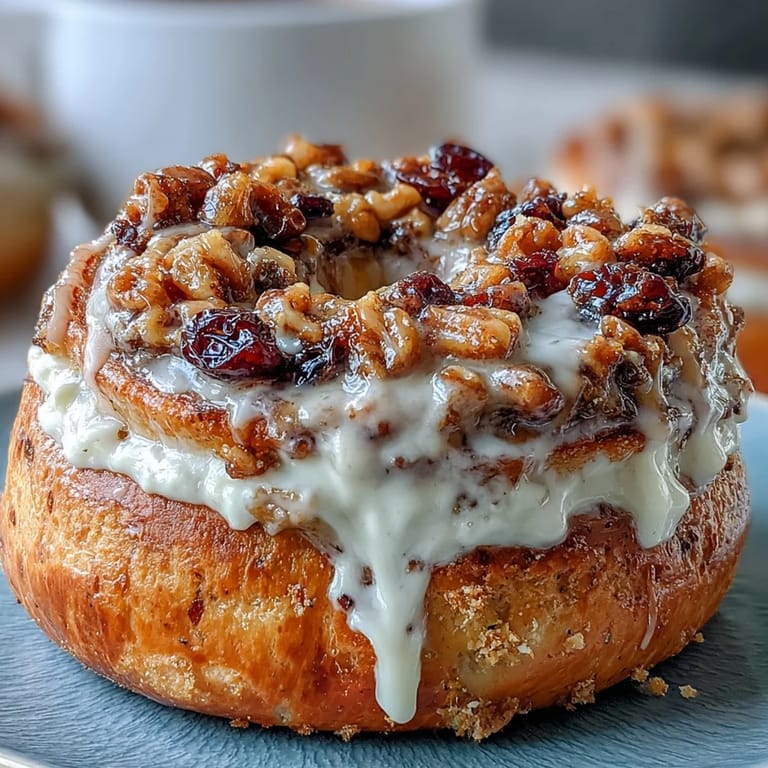
- Drizzle the tangy yogurt glaze over each cooled bagel just before serving, letting some pool slightly on top for that bakery-quality finish.
 Save
Save My coworker mentioned offhandedly that she'd never had a homemade bagel before, so I brought her one on a Tuesday morning, and watching her face light up when she bit into it was genuinely one of those small kitchen victories that stays with you. She's been asking me to make them ever since, which is how I realized these bagels have somehow become the thing I'm known for bringing to the office.
Why the Boiling Step Changes Everything
Most people skip boiling because it feels fussy, but that's where the magic happens—the boiling sets the exterior so it develops that slight crust, while the inside stays incredibly tender and chewy. I learned this the hard way by trying to cut corners, and the result was more like a dense roll than an actual bagel. Once I committed to the full process, everything clicked into place, and I understood why bagel shops take this step so seriously.
Storage and Make-Ahead Strategy
These bagels keep beautifully in an airtight container for three days, or you can freeze them for up to a month and toast them straight from frozen—I actually prefer them slightly toasted anyway, so freezing has become my default move. On Sunday when I bake a batch, I glaze maybe three of them immediately and leave the rest unglazed so I can freeze them plain and add fresh glaze throughout the week whenever I want.
Variations and Personal Touches
Once you nail the basic recipe, you start seeing possibilities everywhere—I've made versions with chopped dates, dried cranberries, and even swapped the cinnamon for cardamom when I was feeling adventurous. The base dough is forgiving enough that you can play with it, and that's when cooking stops feeling like following instructions and starts feeling like actual creativity.
- Try adding a tablespoon of instant coffee powder to the dough for a subtle depth that works surprisingly well with cinnamon and raisins.
- If you want extra chew, let the dough rise a full 50 to 60 minutes instead of 45—patience really does show in the final texture.
- For a coconut yogurt glaze if you're dairy-free, just swap the Greek yogurt one-to-one and the result is genuinely just as delicious, possibly more interesting.
 Save
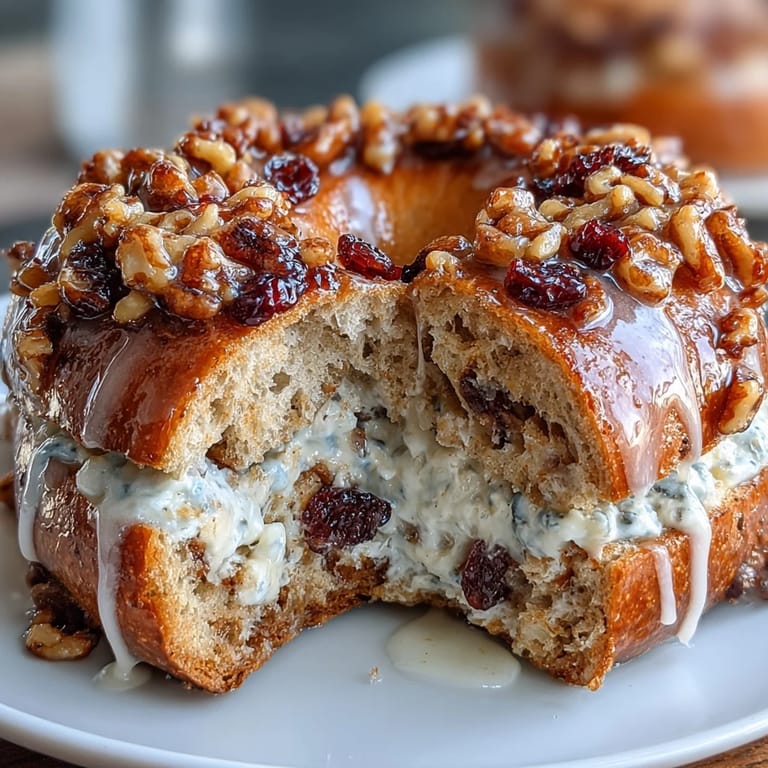
Save These bagels have quietly become my favorite thing to make on Sunday mornings, and I love that they're nourishing enough that I don't feel guilty enjoying them, but delicious enough that I actually look forward to eating them. Somehow, that's the sweet spot where real food lives.
Recipe FAQs
- → What gives these bagels their protein content?
Whey protein powder is incorporated into the dough, increasing the overall protein while keeping the texture soft and chewy.
- → Why boil the bagels before baking?
Boiling creates a shiny crust and helps develop the chewy texture typical of traditional bagels.
- → Can I substitute the raisins with other dried fruits?
Yes, chopped dates or dried cranberries are excellent alternatives and add unique flavors.
- → Is the Greek yogurt glaze optional?
While it adds tangy sweetness and moisture, the bagels can be enjoyed plain or with other toppings.
- → How should I store these bagels to keep them fresh?
Store bagels in an airtight container at room temperature for up to two days, or freeze for longer preservation.