 Save
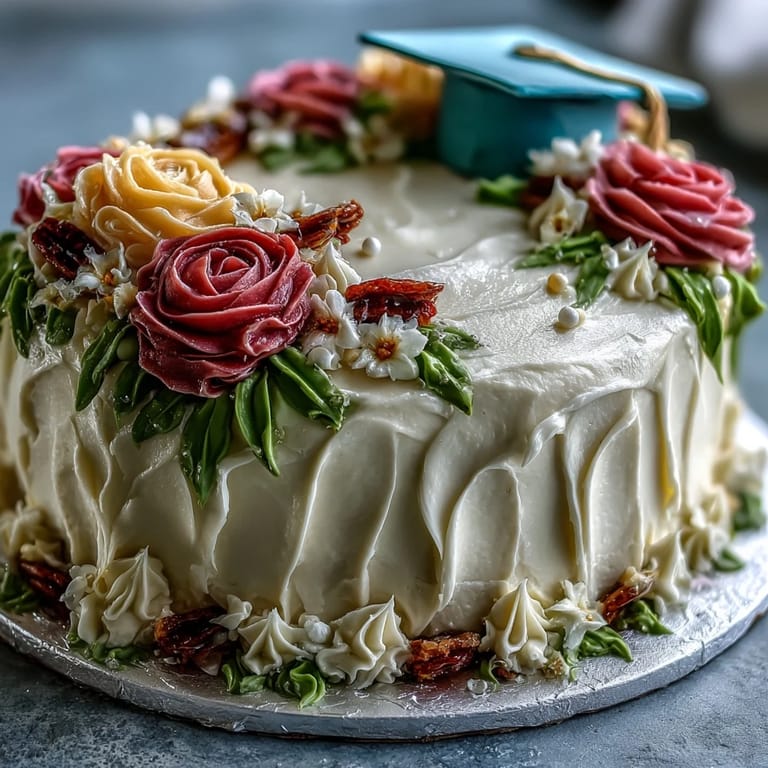
Save Sometime last June, I remember the kitchen bursting into laughter and the gentle swirl of vanilla and butter floating through the air as I attempted my first graduation sheet cake. My radio played in the background, drowned out now and then by a mixer at full speed or the quick clatter of measuring spoons. Decorating the cake, with buttercream roses and an edible diploma, was less about perfection and more about celebrating a milestone with edible artistry. Even the little smudges of color left on my fingers felt like tiny celebrations themselves. It became a ritual to sneak a bit of frosting before sharing the finished masterpiece.
The funniest thing about making this cake was having my best friend read out graduation puns from the living room as I tried—somewhat clumsily—to pipe roses. We ended up giggling every time a rose flopped over, and it turned decorating into a memory I now cherish as much as the celebration itself.
Ingredients
- All-purpose flour: Sifting the flour gives the cake a lighter crumb—a trick I picked up after a few overly dense attempts.
- Granulated sugar: This is the backbone of the cake’s sweetness and helps aerate the butter in the creaming stage for a soft, tender cake.
- Unsalted butter: Let butter fully soften to room temperature for dreamy smooth mixing and fluffier results.
- Whole milk: Room temperature milk blends in better, creating a silkier batter, so I always set it out early.
- Large eggs: Eggs at room temperature combine more evenly and help with cake volume.
- Vanilla extract: The aroma is classic—but splashing in a little extra never hurt anyone during special occasions.
- Baking powder: Helps the cake rise to just the right tenderness—a level, even bake is the goal.
- Salt: A modest amount sharpens flavors and ensures the sweetness doesn’t overwhelm.
- Powdered sugar: Sifted before mixing, this prevents a lumpy buttercream and creates a cloudlike texture.
- Food coloring (gel): Vivid color with minimal moisture—go slow with these; a little goes a long way.
- Fondant or white chocolate: This makes sculpting fun little diplomas surprisingly doable, even for novices like me.
- Edible pearls: An optional but dazzling accent for instantly celebratory flair.
Tired of Takeout? 🥡
Get 10 meals you can make faster than delivery arrives. Seriously.
One email. No spam. Unsubscribe anytime.
Instructions
- Prep the pan:
- Grease and line your 12x18-inch sheet pan with parchment, making sure the corners are neatly tucked in—this makes for a clean release later.
- Cream butter and sugar:
- With your mixer whirring, beat together butter and sugar until the mixture fluffs up and lightens in color; listen for that pleasing slapping sound against the bowl.
- Add eggs and vanilla:
- Drop in the eggs one by one, blending them in completely, then swirl in the vanilla and breathe in that sweet aroma.
- Combine dry ingredients:
- Whisk the flour, baking powder, and salt in a separate bowl—this step keeps the leavening even and avoids little pockets of bitterness.
- Alternate flour and milk:
- Add the dry mixture in thirds to the wet, alternating with pours of milk, and mix just until combined—you’re aiming for smooth, not overworked.
- Bake the cake:
- Smooth the batter into the pan, get it nice and level, then bake for about 30 minutes until golden and a toothpick comes out clean.
- Cool down:
- Let the cake rest in the pan a few minutes, then flip it onto a wire rack and let it cool completely so the frosting doesn’t melt.
- Make buttercream:
- Cream the butter until glossy, then beat in powdered sugar, vanilla, and milk until the frosting is fluffy and smooth—add a splash more milk if needed for spreading or piping.
- Tint and prep decorations:
- Divide your buttercream, tint with gels for roses and leaves, and keep some white for the cake’s canvas.
- Frost and decorate:
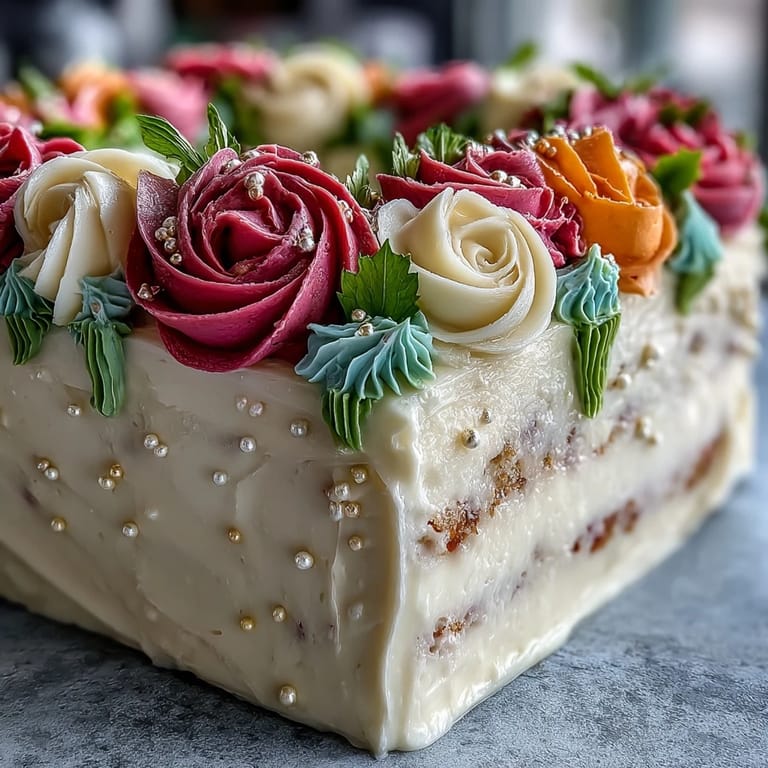
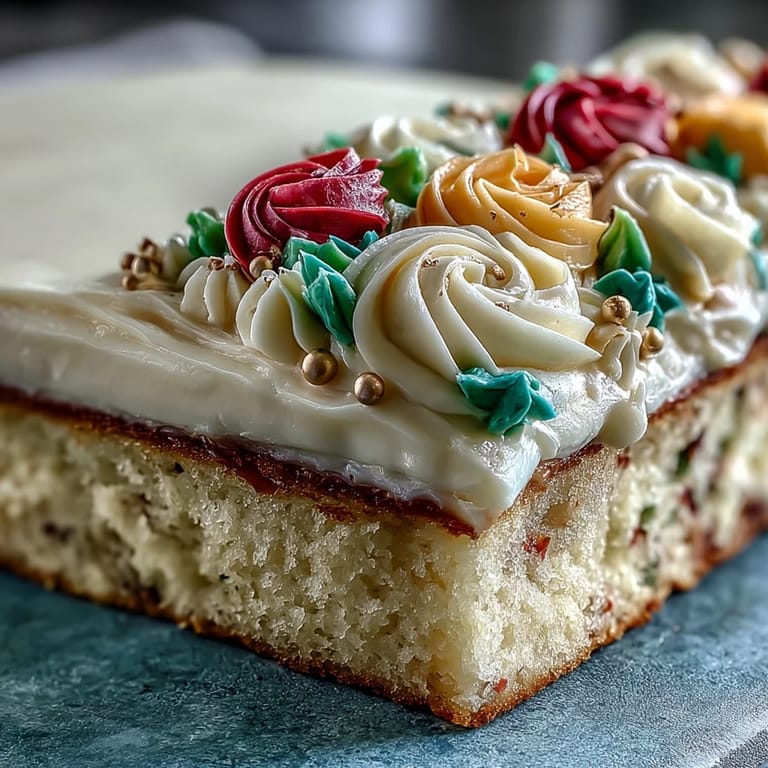
- Coat the cake in a smooth layer of white frosting, then pipe roses in bunches, scatter on green leaves, and arrange your diploma made from fondant or white chocolate wherever inspiration strikes.
- Add finishing touches:
- Sprinkle edible pearls and extra accents for a final celebratory touch—the more joy, the better.
 Save
Save Handing over the first slice to the graduate—who beamed at the tiny edible diploma—made all the effort worthwhile. That cake didn’t just mark the end of a chapter, but the beginning of a new tradition in our family celebrations.
Picking the Right Tools for the Job
I’ve found that using the right piping tips and trusty offset spatula makes all the difference in getting clean lines and lush roses. If you don’t have fondant tools, even the back of a small spoon works to shape the edible diploma.
Color Mixing Without the Mess
I always start with a toothpick to add food coloring to the buttercream, stirring gently after each addition. This lets you edge up to the perfect shade slowly—no more over-saturated mishaps that stain your hands for days.
Timing Your Bake for Maximum Freshness
Baking the cake the day before and decorating on the morning of the party gives the flavors a chance to settle while the frosting stays lively and pretty. Just be sure to keep the cake covered overnight to lock in moisture.
- If your buttercream ever feels too thick, a dash of milk revives it instantly.
- Practice piping roses on parchment before committing to the cake.
- Clean as you go, so the final reveal isn’t met with a mountain of dishes.
 Save
Save This cake brings a sense of occasion to any milestone—here’s to sweet success and plenty of applause from the crowd, one slice at a time.
Recipe FAQs
- → How do I achieve vibrant buttercream colors?
Use gel food coloring for vivid hues without thinning the frosting. Add color gradually for desired shade.
- → Can I personalize the cake with school colors?
Absolutely! Tint the buttercream roses and decorations to match your chosen school or event palette.
- → What is the best way to pipe buttercream roses?
Use a piping bag fitted with a rose tip. Pipe petals from the center outward, rotating the cake as needed for even spacing.
- → How do I keep the sheet cake moist?
Alternate adding the dry and liquid ingredients and avoid overbaking. Check with a toothpick for doneness.
- → Are there chocolate or other flavor variations?
For chocolate, substitute ¾ cup flour with cocoa powder. Other extracts or zest can add unique twists.
- → How do I make the fondant diploma decoration?
Shape fondant or white chocolate into a scroll, tie with a colored fondant ribbon, and place on the cake.