 Save
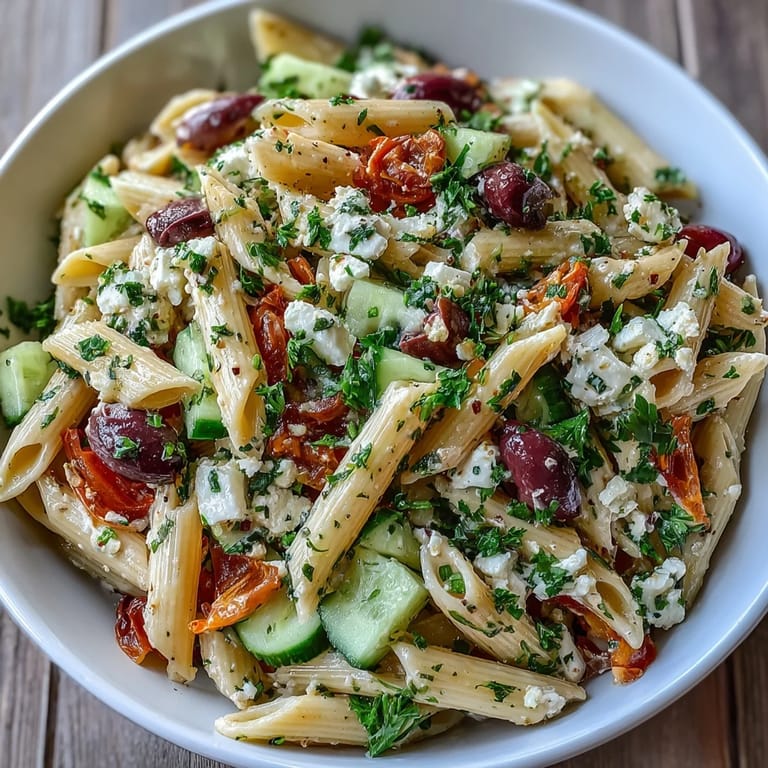
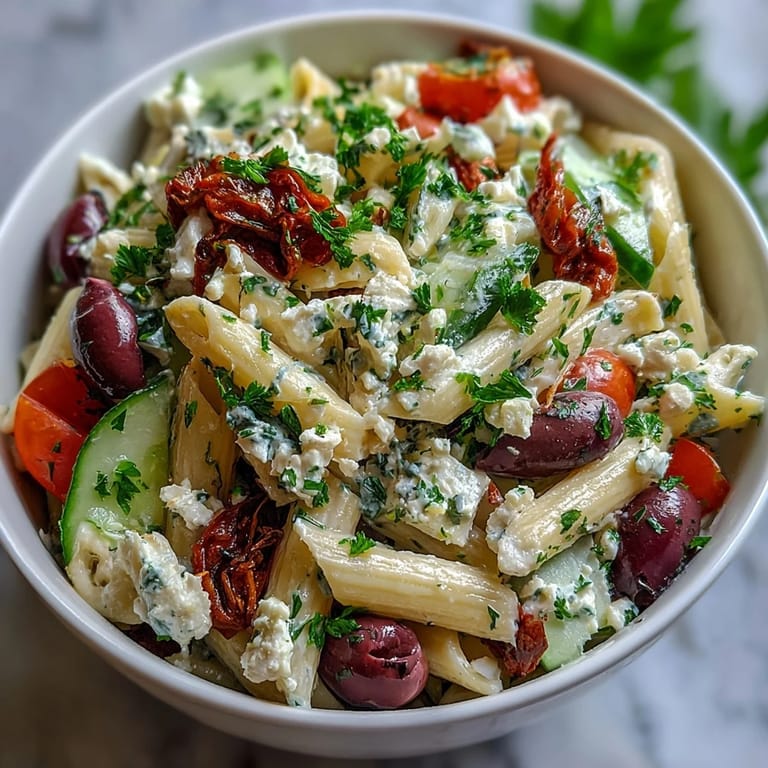
Save There's something about standing in a summer kitchen with the window open, watching the afternoon light hit a bowl of just-tossed pasta salad, that makes you understand why the Greeks built entire meals around simplicity. I discovered this particular version during a sweltering August when my neighbor brought it to a block party, and I've been chasing that exact balance of briny, tangy, and cool ever since. The magic isn't in complexity—it's in letting each ingredient speak for itself while they somehow create something greater together.
I made this for a potluck at work once, nervous that something so simple wouldn't impress anyone, and it was gone before I'd even sat down with my own plate. My coworker Marcus came back for thirds and asked for the recipe, then admitted he'd been intimidated by Greek food until that moment. Sometimes the best dishes are the ones that feel almost embarrassingly straightforward to make.
Ingredients
- Pasta (250g short shapes like penne or fusilli): Short pasta catches and holds the dressing much better than long strands, and the shape matters more than you'd think—go for something with ridges or twists.
- Cucumber (1 medium, diced): The cool crispness keeps everything feeling fresh, so don't skip it or swap it without reason.
- Red bell pepper (1, diced): This adds sweetness and color, creating visual interest that makes people actually want to eat it.
- Cherry tomatoes (200g, halved): They're more forgiving than larger tomatoes and release their juice slowly into the salad as it sits.
- Red onion (1/2 small, thinly sliced): Raw and sharp, it provides a bite that keeps everything from feeling heavy or one-note.
- Kalamata olives (100g, pitted and halved): These are the backbone—briny, meaty, and absolutely essential to the Mediterranean identity of this dish.
- Feta cheese (120g, crumbled): Don't buy pre-crumbled if you can help it; crumble it yourself so the pieces are bigger and more satisfying.
- Extra virgin olive oil (60ml): This is where quality actually matters because it's not cooked, so use something you'd taste on its own.
- Red wine vinegar (2 tbsp): The tanginess cuts through the richness and brings everything into balance.
- Dried oregano (1 tsp): Mediterranean oregano has a different character than regular dried oregano, so seek it out if you can find it.
- Garlic (1 clove, minced): Raw garlic in cold salads can be aggressive, so mince it fine and don't be tempted to add more unless you really know what you're doing.
- Salt and black pepper: Taste as you go—the olives and feta add their own saltiness, so you might need less than you expect.
- Fresh parsley (2 tbsp, chopped): Add it right before serving so it stays bright green and doesn't turn dark and melancholy.
Tired of Takeout? 🥡
Get 10 meals you can make faster than delivery arrives. Seriously.
One email. No spam. Unsubscribe anytime.
Instructions
- Boil the pasta:
- Bring salted water to a rolling boil—it should taste like the sea—and cook the pasta until just tender with a slight firmness in the center. Drain it quickly and rinse under cold water while tossing it gently, so it stops cooking and separates into individual pieces.
- Build the dressing:
- Whisk together the olive oil, vinegar, oregano, and minced garlic in a small bowl, letting the flavors sit together for a moment before tasting and adjusting with salt and pepper. This quiet step lets you fine-tune the balance before everything gets mixed together.
- Combine everything:
- Toss the cooled pasta with all the vegetables, olives, and feta in a large bowl, being gentle enough to keep the cheese from turning into dust but thorough enough to coat everything evenly. Pour the dressing over and toss again until every piece looks like it has something to say.
- Let it rest:
- Slide the bowl into the fridge for at least twenty minutes—this is when the pasta actually drinks in the flavors and stops tasting like separate ingredients thrown together. Trust the wait; it's when this salad becomes something memorable.
- Finish and serve:
- Pull it from the fridge, scatter the fresh parsley over the top just before serving, and taste it once more to see if it needs a crack of black pepper or a pinch of salt. Serve it cold or let it sit out for fifteen minutes if you prefer things slightly cooler than ice-cold.
 Save
Save There was an evening when a friend showed up at my door after a difficult week and asked if I had anything easy to eat, and I made this salad because it required almost no thinking. Watching someone's shoulders relax as they took the first bite reminded me that food doesn't have to be complicated to feel like care.
Why This Salad Stays Fresh in Summer Heat
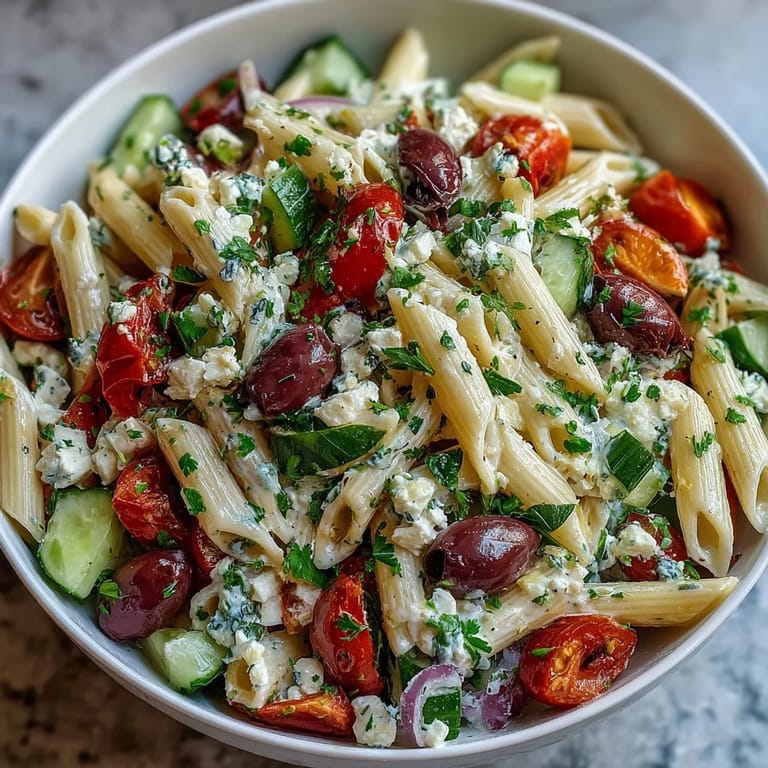
Everything about this dish is designed to taste better cold or at room temperature, which is its secret superpower when the kitchen is already too warm to turn on the oven. The vegetables maintain their crunch, the feta softens just enough to feel creamy without melting, and the dressing actually improves as it mingles with the pasta and the natural juices released by the tomatoes. This is why it's perfect for picnics and gatherings where you need to make something ahead of time—it genuinely gets better as the hours pass.
Small Swaps That Still Make Sense
The beauty of this recipe is that it welcomes improvisation without losing its identity, so don't panic if you're missing something. Zucchini works beautifully instead of cucumber if that's what you have, white onion is fine if red isn't in the house, and you can add chickpeas or even grilled chicken if you want it to feel more like a complete meal. I once made it with white wine vinegar instead of red and it shifted the whole mood of the salad—lighter, slightly less bold, but still entirely delicious.
Making It Your Own
This is the kind of recipe that benefits from treating it like a suggestion rather than a command, so pay attention to what happens in your kitchen and adjust accordingly. The base—pasta, vegetables, olives, feta, and a simple vinaigrette—is sacred, but everything else is fair game for experimentation based on what you love or what's available. Think of it less as a rigid formula and more as a blueprint for Mediterranean flavors, and you'll find yourself making it again and again with tiny variations that somehow all feel like the same beloved dish.
- Add fresh mint or dill alongside the parsley if you want to wake everything up with herbaceous brightness.
- A squeeze of fresh lemon juice in the dressing adds complexity that red wine vinegar alone can't quite achieve.
- If you make this vegetarian but want more substance, scatter some grilled chickpeas or white beans over the top before serving.
 Save
Save This salad has become my answer to the question of what to bring when someone asks you to contribute something to a gathering, because it's nearly impossible to mess up and somehow always impresses people with its simplicity. There's real wisdom in learning to trust a recipe this straightforward and making it your own along the way.
Recipe FAQs
- → What type of pasta works best for this dish?
Short pasta shapes like penne, fusilli, or farfalle hold the dressing well and add nice texture to the salad.
- → Can I prepare this in advance?
Yes, chilling the dish for at least 20 minutes allows the flavors to meld beautifully, making it ideal for prepping ahead.
- → How can I make this dish gluten-free?
Use gluten-free pasta varieties to accommodate gluten sensitivities without altering the flavor profile.
- → What are good substitutes for feta cheese?
For a dairy-free option, try vegan cheese alternatives or omit cheese entirely for a lighter version.
- → How to enhance the dressing's flavor?
Adding a squeeze of fresh lemon juice to the dressing brightens flavors and adds a refreshing zest.