 Save
Save My friend texted me a photo of a Vietnamese restaurant bowl she'd ordered, and I became obsessed with recreating it at home. There was something appealing about the deconstructed nature of it all, like a spring roll that wanted to be casual and refused to be rolled up. I started experimenting one Tuesday evening, and by the time I'd softened those first sheets of rice paper, I realized I'd stumbled onto something that felt both exciting and effortless. The whole kitchen smelled like sesame and lime, and suddenly I wasn't just making dinner, I was building an experience in a bowl.
I made this for a potluck once where someone had a severe peanut allergy, and instead of panicking, I realized how beautifully adaptable the whole bowl is. I swapped the peanut sauce for a tahini-lime version, used sunflower seeds instead, and honestly, it was just as spectacular. Everyone asked for the recipe that night, but what stuck with me was how flexible cooking could be when you stop treating a dish like a rigid set of rules.
Ingredients
- Rice paper sheets: These delicate rounds are the backbone here, and softening them just enough is the small art form that makes this recipe work. Too long in the water and they dissolve; too brief and they crack. I learned to count slowly while submerging, aiming for that magical five to ten second window.
- Jasmine rice or vermicelli noodles: Optional but honestly worthwhile if you want the bowl to feel more substantial and satiating. I prefer vermicelli for its delicate texture that won't overpower the vegetables.
- Protein of choice: Whether you're using grilled chicken, pressed tofu, or shrimp, the key is making sure it's cooked through and seasoned well enough to stand alone. I've learned that bland protein can derail the whole experience.
- Vegetables: The fresher and more vibrant these are, the better the bowl sings. Julienne cuts aren't just for looks, they actually help the vegetables absorb the peanut sauce more evenly.
- Fresh herbs: Mint and cilantro aren't afterthoughts here, they're essential players that brighten everything and make the bowl feel alive. Don't skimp on these.
- Peanut butter: Use creamy, not the natural separated kind, unless you enjoy whisking for ten minutes straight. I learned that lesson the hard way.
- Soy sauce, hoisin, rice vinegar, and lime juice: These four ingredients are the flavor foundation that holds the sauce together with perfect balance between salty, umami, tangy, and bright.
- Sriracha: Optional but recommended if you like a gentle heat that builds as you eat rather than announces itself immediately.
- Warm water: This is your sauce's best friend, letting you control consistency until everything flows beautifully without being watery.
- Roasted peanuts and fried shallots: These finish the bowl with texture contrast and a final whisper of flavor that makes people lean back and smile.
Tired of Takeout? 🥡
Get 10 meals you can make faster than delivery arrives. Seriously.
One email. No spam. Unsubscribe anytime.
Instructions
- Soften the rice paper with intention:
- Fill a large shallow dish with warm water and work quickly but gently, submerging each sheet for only five to ten seconds until it's pliable but still has a slight firmness. Lay each softened sheet on a clean towel, stack two or three together, and cut into rough strips or squares using a sharp knife or even your hands, which gives them a more rustic, appealing look.
- Cook your protein confidently:
- Whether grilling chicken, pan-frying tofu, or warming shrimp, season generously and cook until it's flavorful enough to taste good on its own. This is your bowl's anchor, so don't rush it.
- Slice and prepare vegetables with care:
- Julienne the carrot and cucumber for those delicate matchsticks that feel elegant on your spoon, thinly slice the bell pepper, shred the cabbage, and keep everything separate until assembly. Fresh and properly cut vegetables are the difference between a good bowl and one you'll crave again tomorrow.
- Build the sauce from the ground up:
- Whisk the peanut butter with soy sauce, hoisin, rice vinegar, and lime juice until they're fully combined and the color becomes a warm caramel, then add sriracha if you're using it. Gradually pour in warm water while whisking, creating a sauce that's silky and pourable but still has enough body to coat everything beautifully.
- Assemble each bowl as a composition:
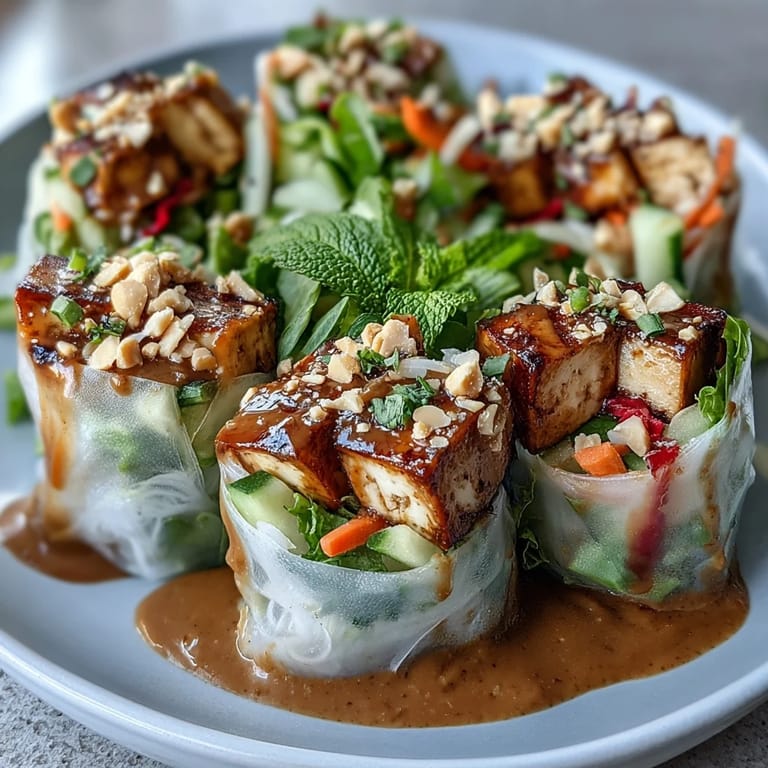
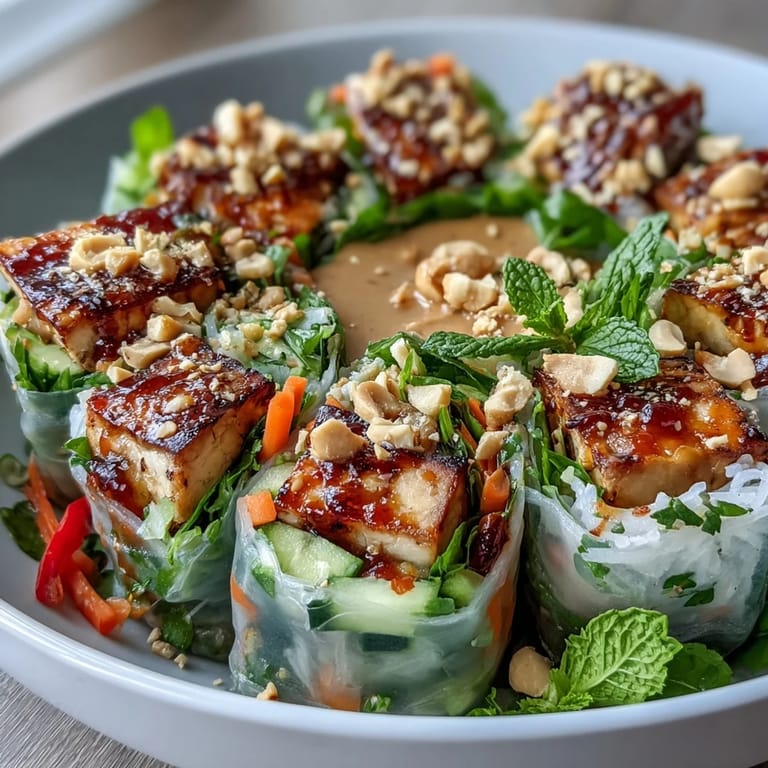
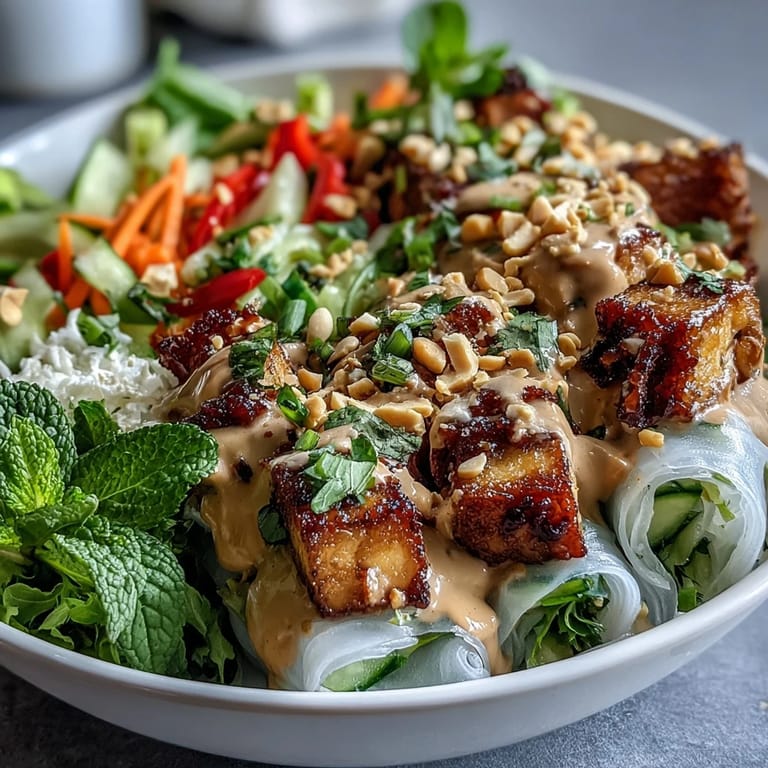
- Start with rice or noodles as your base, then arrange rice paper pieces, vegetables, greens, and herbs in separate sections so each spoonful delivers a complete experience. Top with your chosen protein, then drizzle generously with peanut sauce, sprinkle with chopped peanuts and fried shallots, and set a lime wedge on the rim for squeezing as you eat.
 Save
Save There's something memorable about eating this bowl alone on a quiet afternoon, watching the rice paper shards catch the light. It's not fancy or complicated, yet it feels nourishing in a way that goes beyond calories, more like a small gift you're giving yourself in the middle of an ordinary day.
Why This Bowl Became My Go-To
I started making this when I was going through a phase of wanting fresh, bright food without the cleanup burden of a full cooking production. Rice paper bowls answered that call perfectly. There's something almost meditative about cutting vegetables, arranging them just so, and knowing that in twenty minutes you'll have something that looks like you spent hours on it. The best part is that every single component can be prepped ahead, which means weeknight dinner suddenly feels attainable even when you're tired.
The Secret Life of Rice Paper
I used to think rice paper was only meant to be rolled, but the moment I started cutting it into shards, everything changed. The texture becomes almost crispy if you let it dry on the towel long enough, and when it hits the peanut sauce, it softens just enough to chew while maintaining this incredible structure. I've noticed that the thinner rice paper sheets work better for this than the thicker ones, so if you ever find yourself in an Asian market, reach for the ones that feel almost translucent.
Customizing Without Losing Your Way
The beauty of this bowl is that it's genuinely flexible without becoming a free-for-all. I've added sliced avocado on days when I wanted richness, pickled vegetables for extra tang, or even shredded mango for an unexpected sweetness. The framework stays the same, but your mood and what's in your kitchen can absolutely shift the experience. Some people add a soft-boiled egg, others top with roasted cashews, and honestly, all of these feel true to the spirit of the dish.
- Don't skip the fried shallots if you can find them, because they add a crispy, savory depth that seems small but changes everything.
- If you're using tofu, press it really well and season it boldly so it absorbs flavor rather than just sitting there looking neutral.
- Serve with lime wedges within arm's reach because that final squeeze of brightness is the exclamation point the bowl needs.
 Save
Save This bowl has become my answer to so many different situations, whether I'm feeding myself, impressing friends, or feeding a crowd with dietary restrictions. It's proof that simple, seasonal eating can be exciting and nourishing at the same time.
Recipe FAQs
- → How do I keep rice paper from getting soggy?
Soak each sheet for just 5–10 seconds in warm water until pliable, not completely soft. They'll continue softening as they sit. Cut and use immediately after soaking, or layer between damp paper towels for up to 2 hours before serving.
- → Can I make this ahead for meal prep?
Yes. Store components separately: rice paper strips in a sealed container with slightly damp paper towels, vegetables in airtight containers, and sauce in a jar. Assemble just before eating to maintain crisp textures. Everything keeps well for 3–4 days.
- → What protein works best in this bowl?
Grilled chicken breast offers classic appeal, while tofu provides a plant-based base that absorbs flavors beautifully. Shrimp adds a sweet, tender element. Any protein should be seasoned lightly since the peanut sauce carries most of the flavor.
- → How can I adjust the peanut sauce consistency?
Start with 2 tablespoons of warm water and add more gradually, whisking constantly. The sauce should be pourable but thick enough to coat ingredients. For a thinner consistency, add additional water 1 tablespoon at a time.
- → What vegetables can I substitute?
Try shredded purple cabbage for extra crunch, thinly sliced radishes for peppery bite, or mung bean sprouts for fresh texture. Avocado adds creaminess, while pickled carrots and daikon bring authentic Vietnamese tang.
- → Is this suitable for gluten-free diets?
Yes, with simple substitutions. Use tamari instead of soy sauce and verify your hoisin is gluten-free or make a homemade version. Rice paper and vegetables are naturally gluten-free, making this an excellent option for those avoiding wheat.