 Save
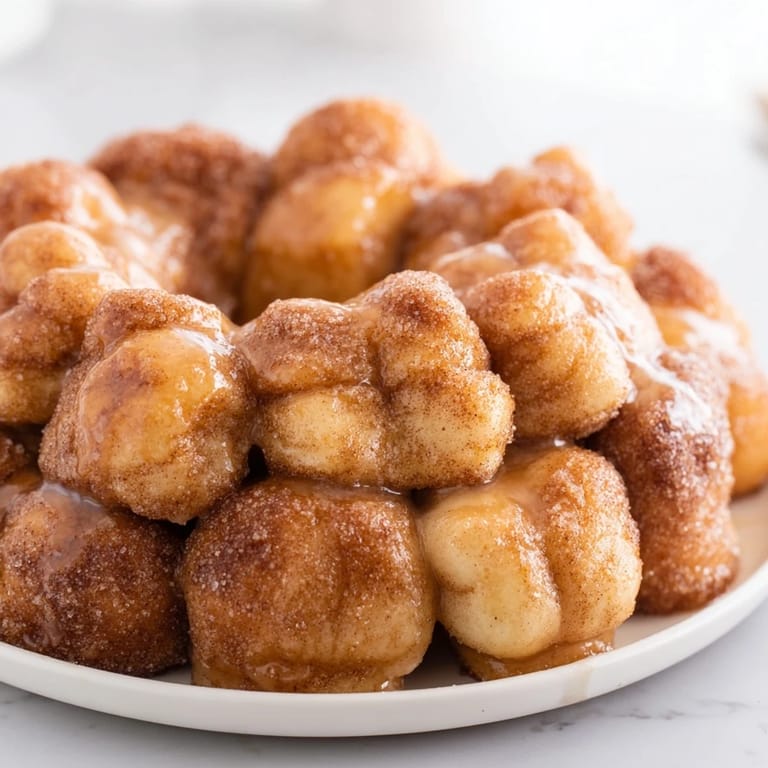
Save My neighbor brought over a bundt pan of monkey bread on a random Tuesday morning, still warm from her oven, and I watched my kids descend on it like they'd never seen food before. Pulling apart those sticky, cinnamon-sugar-coated balls with their fingers, the kitchen filling with that sweet, buttery smell—I knew I had to learn how to make this. It turns out monkey bread is one of those magical recipes where the magic happens as much in the moment of eating as it does in the baking.
I made this for our book club once, thinking it would be a simple backup dessert, but people literally stopped talking about the book to ask for the recipe. There's something about a homemade pull-apart bread that feels generous and unhurried, even if it only takes about an hour total from start to table.
Ingredients
- All-purpose flour (500 g / 4 cups): The foundation—use the standard kind you already have, nothing fancy needed.
- Instant dry yeast (7 g / 2¼ tsp): This is the magic that makes the dough rise; check the expiration date because stale yeast is the only real reason this fails.
- Granulated sugar for dough (60 g / ¼ cup): Feeds the yeast and adds a touch of sweetness to the bread itself.
- Salt (1 tsp): Balances the sweetness and strengthens the dough structure, so don't skip it.
- Warm milk (180 ml / ¾ cup): Should feel like bathwater on your wrist—too hot kills the yeast, too cold and nothing rises.
- Unsalted butter for dough (60 g / ¼ cup), melted: Adds richness and tenderness to each bite.
- Large eggs (2): These bind everything and create a softer crumb.
- Granulated sugar for coating (200 g / 1 cup): The sweet stuff that makes monkey bread irresistible.
- Ground cinnamon (2 tsp): Use fresh cinnamon if you have it—the difference is noticeable and worth it.
- Unsalted butter for coating (115 g / ½ cup), melted: What makes the cinnamon sugar stick and creates those caramelized edges.
- Powdered sugar for glaze (120 g / 1 cup), optional: A drizzle makes it feel finished, but it's lovely without one too.
- Milk for glaze (2–3 tbsp), optional: Just enough to make the glaze pourable.
- Vanilla extract (½ tsp), optional: Deepens the sweetness if you decide to glaze.
Tired of Takeout? 🥡
Get 10 meals you can make faster than delivery arrives. Seriously.
One email. No spam. Unsubscribe anytime.
Instructions
- Mix the dough foundation:
- In a large bowl, combine flour, yeast, sugar, and salt like you're creating the stage for everything else. Add warm milk, melted butter, and eggs, then mix until a shaggy dough forms—it should feel soft and slightly sticky, not stiff.
- Knead until smooth:
- By hand or with a mixer, work the dough for 5–7 minutes until it's smooth and elastic, pulling back gently when you poke it. You'll know it's ready when it feels alive and springy under your hands.
- Let it rise:
- Place the dough in a lightly oiled bowl, cover it with a damp cloth or plastic wrap, and find a warm spot—the oven with the light on works perfectly. After about an hour, it should double in size, looking puffy and soft.
- Prepare your coating station:
- While the dough rises, mix cinnamon and sugar in one bowl and pour melted butter into another. Having both ready means the coating process becomes almost meditative.
- Cut and roll the dough:
- Punch down the risen dough gently, then cut it into 40 small pieces—about the size of walnuts. Roll each one between your palms into a smooth ball; imperfect is fine and actually adds charm.
- Coat each ball:
- Dip each dough ball into melted butter, let the excess drip off, then roll it in the cinnamon sugar until coated. Layer them into a well-greased bundt pan, scattering them so they nestle together but can still puff up.
- Second rise:
- Cover the pan loosely and let it sit for 20–30 minutes in that same warm spot. The balls should look slightly puffed and ready, not completely doubled.
- Bake to golden:
- Preheat your oven to 180°C (350°F) and bake for 30–35 minutes until the top is deep golden brown and a skewer inserted into the center comes out clean. The kitchen will smell incredible by minute 20.
- Cool and unmold:
- Let the pan sit for about 10 minutes—this lets the structure set slightly so it holds together. Then invert it onto a serving plate and watch it tumble out, all caramelized and sticky.
- Add glaze if desired:
- Whisk powdered sugar, milk, and vanilla until smooth and pourable. Drizzle it over the warm bread so it pools into the crevices.
 Save
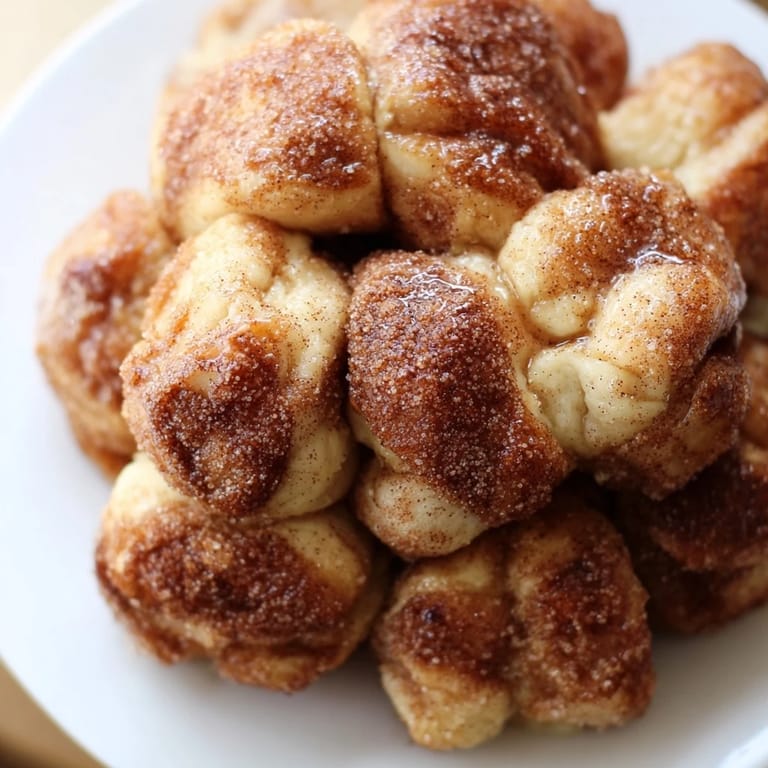
Save The moment someone's hands dive into that warm, sticky bread at the table—that's when you realize you've made something beyond a recipe. It's the kind of dish that makes people linger, chat longer, and ask for seconds before they've finished their first piece.
Why This Recipe Works
Monkey bread succeeds because it walks the line between tender and structured—the dough needs enough gluten development to hold shape but enough butter and eggs to stay soft. The two-rise method ensures the dough fully ferments while allowing you to shape it at a convenient moment. That cinnamon sugar coating isn't just flavor; it caramelizes in the oven, creating texture contrast between the sticky exterior and the tender crumb inside.
Variations and Additions
I've made this with chopped pecans scattered between layers, and it adds a subtle crunch that people genuinely miss once they've tasted it. Some friends swear by a pinch of nutmeg mixed into the cinnamon sugar, which deepens the spice profile without overpowering. You can also brush the cooling bread with a honey-butter mixture instead of glaze if you want something less sweet and more savory.
Serving and Storage
Monkey bread is genuinely best served warm, within a few hours of baking, when the butter and sugar are still soft enough to pull apart easily. If you have leftovers, wrap them loosely and reheat gently in a low oven to restore that warm, pullable texture.
- Serve with strong coffee or chai for the best pairing—the heat and the spice work beautifully together.
- If you're making this for a crowd, doubling the recipe is actually easier than making one, since the process scales seamlessly.
- The dough is forgiving about timing, so even if your second rise runs long, the result is still delicious.
 Save
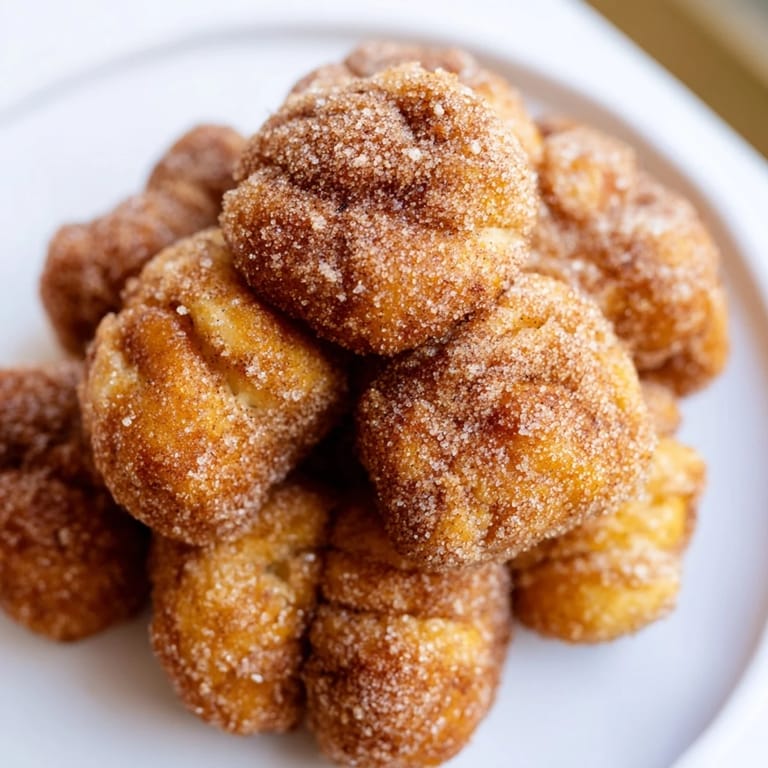
Save This is the kind of recipe that rewards you instantly and generously, turning simple ingredients into something memorable. Make it once, and you'll find yourself reaching for it whenever you want to feel like a thoughtful baker without actually trying very hard.
Recipe FAQs
- → What makes the bread sticky and sweet?
The coating of melted butter combined with cinnamon sugar creates a sticky, sweet layer enveloping each dough ball, giving the bread its signature texture and flavor.
- → How do I ensure the dough is soft and elastic?
Knead the dough by hand or mixer for 5–7 minutes until smooth and elastic, which helps develop the gluten for a tender crumb.
- → Can I add nuts for extra flavor?
Yes, chopped pecans or walnuts can be layered between the dough balls to add crunch and enhance the flavor profile.
- → Is it necessary to let the dough rise twice?
Yes, the first rise allows the dough to double in size for lightness, and the second rise after coating helps create the pull-apart texture and layers.
- → How do I prepare the optional glaze?
Whisk powdered sugar with milk and vanilla extract until smooth, then drizzle over the warm bread for a sweet finishing touch.