 Save
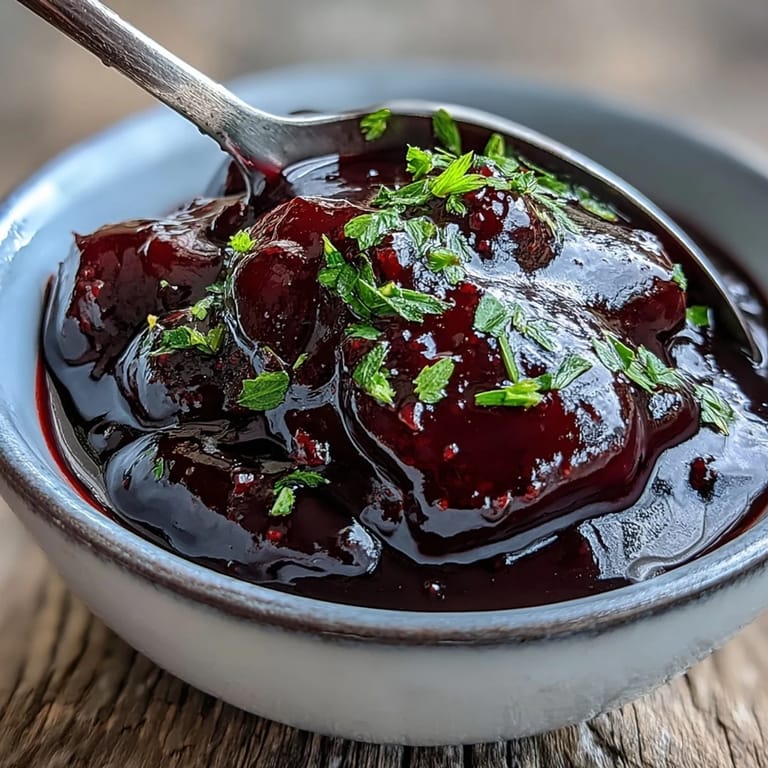
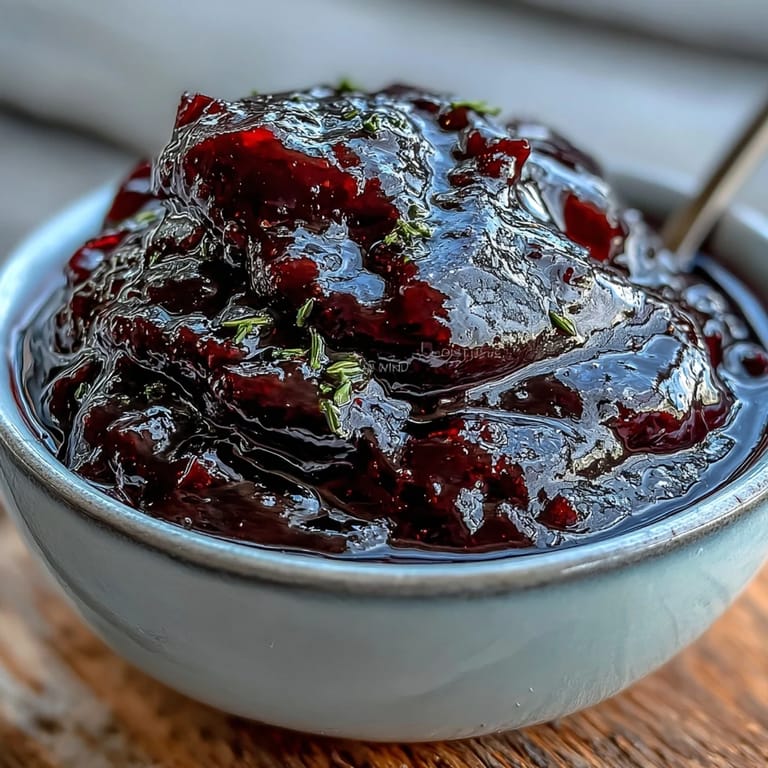
Save The first time I made this reduction, I was experimenting with what I had in the pantry after a cancelled dinner party left me with a bottle of opened red wine and a pint of black currants from the farmers market. That evening, my kitchen smelled like someone had been cooking all day, even though the sauce came together in under half an hour. I drizzled it over some leftover roast chicken, and my husband actually paused mid-bite to ask what I had done differently. Now I keep currants in the freezer specifically for those moments when something ordinary needs to feel special.
Last winter I served this at a small gathering with duck breast, and one of my guests who claims to not like fruit sauces went back for thirds. There is something about black currants that is more sophisticated than berries, less sweet but still bright enough to cut through rich meats. I have started making double batches just to keep in small jars in the freezer for weeknight dinners that need a little extra attention.
Ingredients
- 1 cup fresh or frozen black currants: These tiny berries pack an enormous amount of flavor and natural pectin which helps the sauce thicken beautifully
- 1 cup dry red wine: Choose something you would actually drink since the flavor concentrates as it reduces
- 1/2 cup chicken or vegetable stock: This adds depth and body without overpowering the fruit
- 2 tablespoons balsamic vinegar: The acidity balances the sweetness and adds complexity
- 1 small shallot: Milder than onion but adds essential aromatic backbone
- 1 sprig fresh thyme and 1 bay leaf: These herbs whisper in the background rather than shout
- 2 tablespoons sugar: Just enough to tame the natural tartness
- 1/4 teaspoon each salt and pepper: Essential for rounding out all the flavors
- 2 tablespoons cold butter: This finishes the sauce with velvety richness and glossy shine
Tired of Takeout? 🥡
Get 10 meals you can make faster than delivery arrives. Seriously.
One email. No spam. Unsubscribe anytime.
Instructions
- Build the foundation:
- Melt one tablespoon of butter in a medium saucepan over medium heat and sauté the chopped shallot for 2 to 3 minutes until it softens and turns translucent, filling your kitchen with a gentle sweetness.
- Simmer and concentrate:
- Add the currants, wine, stock, vinegar, thyme, bay leaf, sugar, salt, and pepper, then bring everything to a gentle bubble before reducing the heat to low and letting it simmer uncovered for 15 to 20 minutes until the liquid has reduced by about half and coats the back of a spoon.
- Strain and refine:
- Fish out and discard the thyme sprig and bay leaf, then pour the sauce through a fine mesh strainer into a clean pan, pressing firmly on the solids to extract every drop of those precious concentrated juices.
- Finish with butter:
- Return the strained sauce to low heat and whisk in the cold butter cubes one at a time, letting each piece melt completely before adding the next, until the sauce turns glossy and luxurious.
 Save
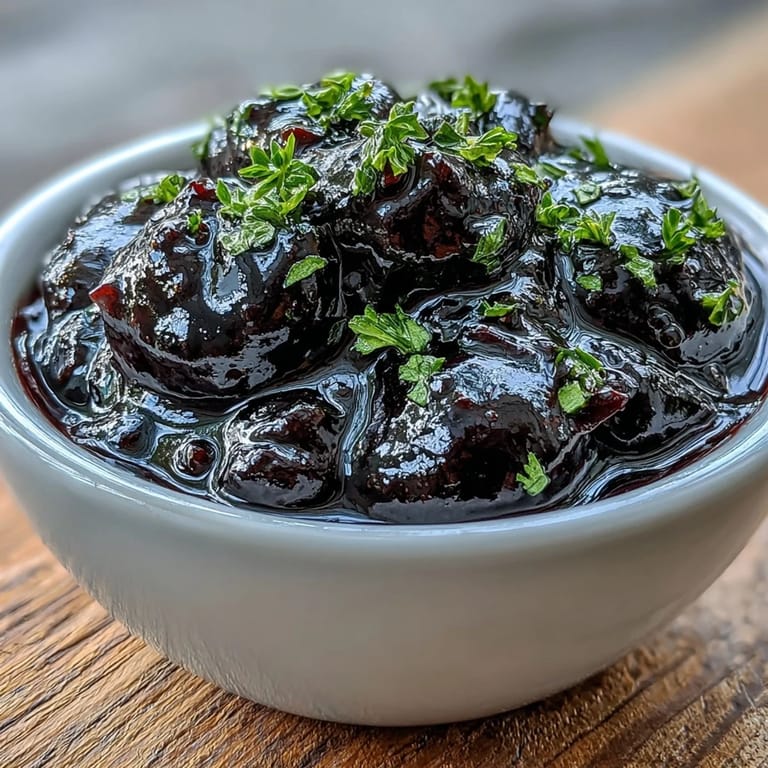
Save This sauce has become my secret weapon for turning simple meals into occasions. Whether drizzled over pan seared duck or spooned alongside a cheese plate, it never fails to make people feel cared for. There is something deeply satisfying about serving something that tastes like it took hours when it actually came together while the rest of dinner was cooking.
Make It Ahead
I often make a double batch on Sunday and portion it into small glass jars. The sauce keeps beautifully in the refrigerator for up to a week or frozen for up to three months. Just thaw overnight in the fridge and reheat gently over low water, whisking to bring back the glossiness.
Serving Ideas
Beyond the obvious pairings with duck and pork, try this sauce over roasted root vegetables for a vegetarian main course. It also makes an incredible addition to a charcuterie board, especially alongside sharp cheddars and aged gouda. Sometimes I even swirl a spoonful into pan sauces for weeknight chicken to elevate something simple into something special.
Wine Pairing Notes
Since the reduction already contains red wine, look for a bottle with similar flavor notes. A Pinot Noir or a light Grenache complements the currants without competing. For white wine drinkers, an oaky Chardonnay can stand up to the rich and fruity elements of the sauce.
- Crimp de cassis makes a sophisticated substitution for part of the wine
- frozen currants work just as well as fresh so you can make this year round
- A splash more vinegar at the end brightens everything up if needed
 Save
Save This is the kind of recipe that makes you feel like a better cook than you thought you were. Serve it with confidence and watch people is faces light up.
Recipe FAQs
- → What meats pair best with black currant reduction?
Black currant reduction shines alongside rich, roasted meats like duck breast, pork tenderloin, venison, lamb chops, or game birds. The tart-sweet profile cuts through fatty proteins and adds restaurant-quality elegance to simple preparations.
- → Can I use frozen black currants?
Yes, frozen currants work beautifully and often release more juice during cooking. No need to thaw first—simply add them directly to the saucepan. The final texture and flavor remain consistent with fresh fruit.
- → How long does this sauce keep?
Store in an airtight container in the refrigerator for up to 5 days. The butter may solidify when cold, but gentle reheating over low heat while whisking will restore the silky consistency. Freeze for up to 3 months if needed.
- → What creates the glossy finish?
Whisking cold butter into the warm strained sauce creates an emulsion that yields a luxurious, glossy texture. Add butter gradually off the heat to prevent separating, ensuring restaurant-quality presentation.
- → Can I make this dairy-free?
For a dairy-free version, omit the butter finishing step and simply reduce the strained sauce slightly further until desired consistency. Alternatively, substitute with cold coconut oil or a plant-based butter alternative.
- → What wine works best?
A dry red wine like Pinot Noir, Merlot, or Cabernet Franc provides excellent structure. Avoid overly oaky or tannic wines as they can overwhelm the delicate currant flavor. The wine should be good enough to drink on its own.