 Save
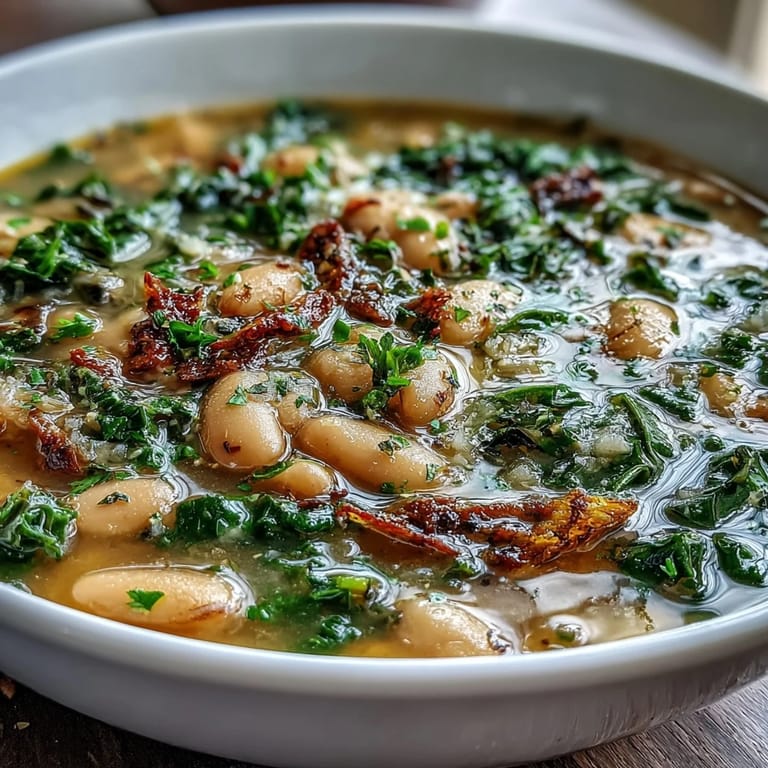
Save My neighbor Maria showed up at my door one chilly October evening with a container of this soup, still steaming, and I understood immediately why she'd been raving about it all week. The aroma alone—garlic, rosemary, and something bright and citrusy—made me want to learn it by heart. She walked me through it while we ate, sitting at my kitchen counter, and by the time she left, I'd already mentally planned to make it the next day.
I made this for my book club last winter, and someone actually asked for seconds before finishing their first bowl—which never happens at those gatherings. We ended up talking more about the soup than the book, and honestly, I didn't mind one bit. That's when I knew this recipe had staying power.
Ingredients
- Olive oil: Use good quality here since it's tasted directly; the soup relies on its fruity, clean flavor to shine.
- Yellow onion, carrots, and celery: This holy trinity builds the flavor foundation—don't rush the sautéing step, as it brings out their natural sweetness.
- Garlic: Three cloves might seem modest, but they perfume the entire pot beautifully without overpowering the delicate kale.
- Kale: Remove those tough center stems ruthlessly; they never soften and will ruin the texture of your soup.
- Lemon zest: Microplane it fresh just before cooking, as pre-zested versions lose their punch quickly.
- Cannellini beans: Rinse them thoroughly under cold water to remove that starchy liquid that can make the soup taste canned and dull.
- Vegetable broth: Low-sodium is essential so you can control the final seasoning and taste the actual ingredients.
- Dried thyme and rosemary: If you have fresh herbs, use triple the amount and add them late in cooking to preserve their brightness.
- Bay leaf: Adds a subtle earthiness that ties the whole soup together—don't forget to fish it out before serving.
- Red pepper flakes: Optional, but they add a whisper of heat that makes you want another spoonful.
- Lemon juice: Squeeze it fresh; bottled juice tastes tired and flat in comparison.
- Parmesan cheese: A good wedge grated fresh tastes infinitely better than pre-grated, and it melts differently into the warm soup.
- Extra-virgin olive oil for drizzling: This final touch of oil makes the dish feel intentional and restaurant-quality.
Tired of Takeout? 🥡
Get 10 meals you can make faster than delivery arrives. Seriously.
One email. No spam. Unsubscribe anytime.
Instructions
- Build your base:
- Warm the olive oil in a large pot over medium heat, then add the diced onion, carrots, and celery. You'll know they're ready when the onion turns translucent and you can smell the sweetness—around 6-8 minutes. Listen for a gentle sizzle; if it's popping aggressively, your heat is too high.
- Wake up the garlic:
- Add the minced garlic and let it cook for just one minute until fragrant, stirring constantly so it doesn't brown. This quick step releases the garlic's essential oils without letting it turn bitter.
- Introduce the kale:
- Stir in the chopped kale and let it soften for 2-3 minutes, watching as it transforms from bright green to a deeper, more tender shade. The pot will look overstuffed for a moment, then the kale will collapse and make room.
- Combine everything:
- Add the rinsed cannellini beans, vegetable broth, water, thyme, rosemary, bay leaf, and red pepper flakes if you're using them. Season with salt and pepper, stirring well so everything mingles together.
- Let it simmer:
- Bring the pot to a boil, then reduce heat and let it bubble gently uncovered for about 20 minutes, stirring occasionally so nothing sticks to the bottom. The flavors will deepen and marry as it cooks.
- Create creaminess:
- Scoop out about one cup of soup with its beans and mash it roughly with a fork, breaking the beans into a chunky paste, then stir it back in. This technique gives you a naturally creamy texture without any cream—the beans do the work.
- Finish with brightness:
- Stir in the fresh lemon zest and lemon juice, letting it simmer for two more minutes so the flavors meld. You'll notice the entire soup suddenly tastes more vibrant and alive.
- Final check:
- Remove the bay leaf, taste carefully, and adjust your salt and pepper as needed—remember that the Parmesan and olive oil drizzle will add more salt at the end.
- Serve with intention:
- Ladle the soup into bowls, top each with freshly grated Parmesan, and finish with a generous drizzle of excellent olive oil that catches the light.
 Save
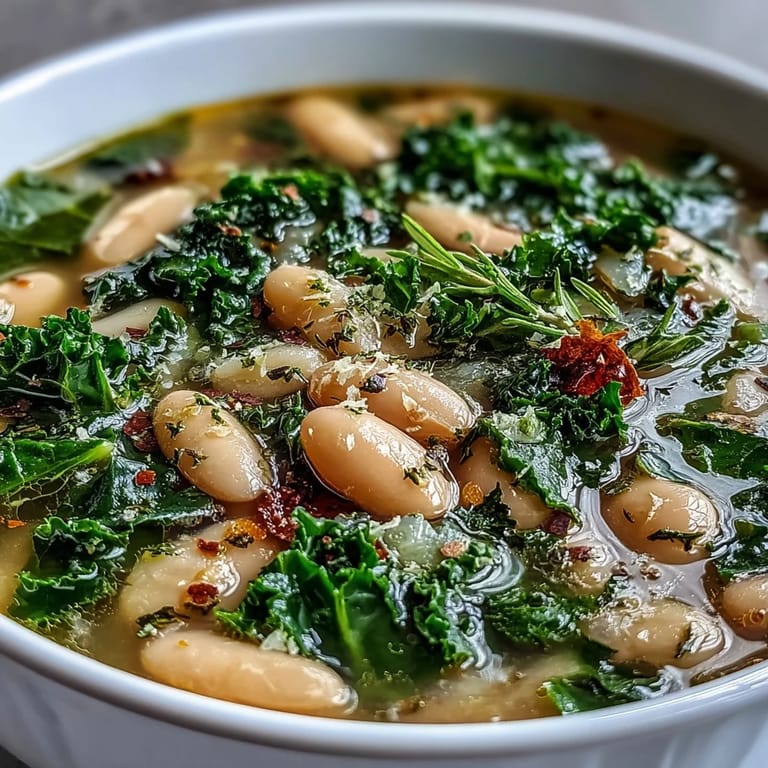
Save My teenage nephew tried this soup reluctantly—he's not usually a vegetable person—but ended up having three bowls. Watching him discover that healthy food could actually taste this good felt like a small victory in my kitchen. It reminded me that simple, honest ingredients prepared with care can surprise anyone.
The Magic of Tuscan Simplicity
There's something deeply satisfying about a soup that doesn't need cream or fancy techniques to feel luxurious. Tuscan cooking philosophy is all about letting good ingredients speak for themselves, and this soup embodies that perfectly. The beans naturally create richness, the kale provides earthiness and nutrition, and the lemon brings everything into sharp focus—it's a masterclass in restraint and flavor balance.
Seasonal Flexibility
While this soup feels quintessentially fall and winter, I've made it throughout the year by swapping the kale for spinach in warmer months or adding a handful of chard in late spring. The backbone is so strong that it accommodates variations gracefully. Some friends have added cooked Italian sausage or pancetta, turning it into something heartier without losing that essential Tuscan character.
Making It Your Own
The beauty of this recipe is that it invites personalization without demanding it—you can serve it with crusty bread, pair it with a sharp white wine, or even blend it partially for a different texture. I've experimented with adding a splash of white wine during the sauté phase, a pinch of nutmeg with the herbs, or even a small parmesan rind simmered in the broth for extra depth. The point is to cook it, taste it, and let your kitchen guide your adjustments.
- Save a piece of parmesan rind in your freezer specifically for soups like this, as it adds umami depth without any extra effort.
- Double the recipe and freeze half in portions—it reheats beautifully and tastes even better the next day as flavors settle.
- Serve it at different temperatures depending on your mood; it's equally comforting piping hot or room temperature on a warm evening.
 Save
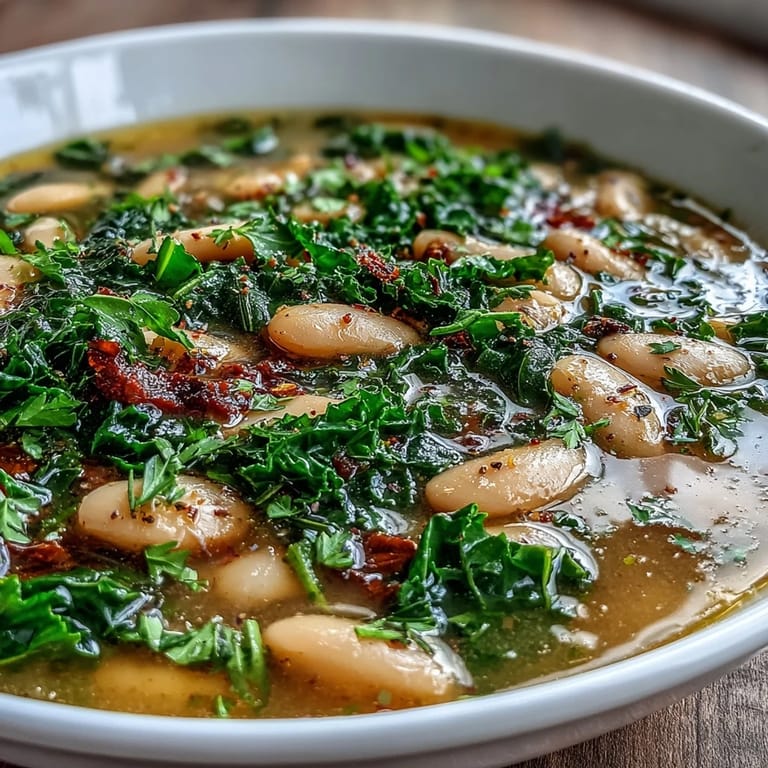
Save This soup has become my go-to when I want to feed people something that feels both nourishing and unhurried. There's honesty in every spoonful, and that's something you can't fake in a kitchen.
Recipe FAQs
- → What beans are best for this soup?
Cannellini beans are traditional, offering a creamy texture and mild flavor that blends well with the other ingredients.
- → Can I substitute kale with other greens?
Yes, baby spinach or Swiss chard can be used as alternatives, though kale provides a sturdy texture and earthy taste.
- → How do I achieve a creamy texture without dairy?
Mashing a portion of the beans into the soup creates natural creaminess without needing cheese or cream.
- → What herbs enhance the flavor?
Thyme, rosemary, and bay leaf add depth and warmth, balancing the brightness of the lemon zest.
- → Is it possible to make this dish vegan?
Yes, omit Parmesan or substitute with vegan cheese options; ensure broth is vegetable-based for a fully plant-based meal.
- → How long should the soup simmer?
Simmering for about 20 minutes allows flavors to meld and beans to soften before finishing touches are added.