 Save
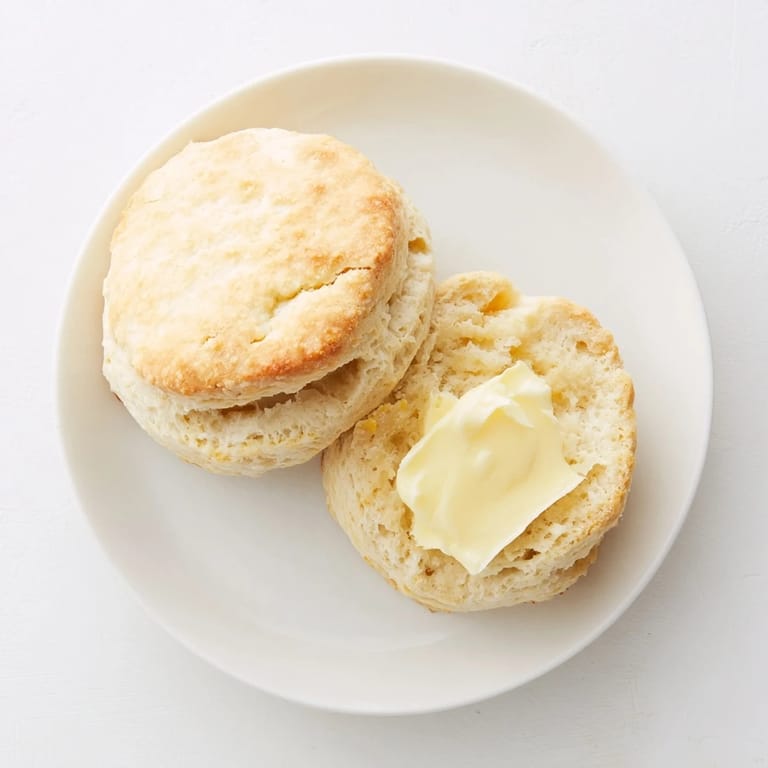
Save My grandmother's kitchen always smelled like flour and butter on Sunday mornings, no matter the season. She taught me that biscuit-making is part science, part instinct, and mostly about keeping your ingredients cold and your hands quick. I've since learned that the real secret isn't some family secret ingredient—it's simply not overworking the dough. These buttermilk biscuits have become my go-to for everything from holiday breakfasts to unexpected dinner guests.
Last summer, my neighbor Sarah came over for coffee and ended up staying for lunch just because she smelled these baking through an open window. We sat on the back porch splitting warm biscuits with honey while she told me about her mother's recipe, which turned out to be nearly identical except for the folding step. Sometimes the best recipes are the ones that bring people together, lingering over seconds and third helpings.
Ingredients
- 2 cups all-purpose flour: The foundation of everything—skip the bread flour here, you want tender not chewy
- 1 tablespoon baking powder: Your rise insurance, fresh is best since old baking powder makes flat biscuits
- ½ teaspoon baking soda: Works with the buttermilk's acidity for extra lift
- 1 teaspoon fine sea salt: Balances the sweetness and enhances butter flavor
- 1 tablespoon granulated sugar: Just enough to help browning without making them sweet
- ½ cup unsalted butter, cold and cubed: The most important ingredient—freeze it for 15 minutes before starting
- ¾ cup cold buttermilk: Adds tang and tenderness, keep it ice-cold until the moment it hits the flour
Tired of Takeout? 🥡
Get 10 meals you can make faster than delivery arrives. Seriously.
One email. No spam. Unsubscribe anytime.
Instructions
- Get your oven ready:
- Preheat to 425°F and line a baking sheet with parchment paper—do this first so you're not scrambling with sticky hands later
- Whisk the dry ingredients:
- In a large bowl, combine flour, baking powder, baking soda, salt, and sugar until everything is evenly distributed
- Cut in the butter:
- Add cold cubed butter and work it into the flour with a pastry cutter or your fingertips until you see coarse crumbs with some pea-sized butter pieces still visible
- Add the buttermilk:
- Make a well in the center, pour in the cold buttermilk, and stir gently with a fork just until the dough comes together—some floury patches are okay
- Create the layers:
- Turn dough onto a floured surface, pat into a ½-inch rectangle, fold in half, and repeat this fold-and-pat process two more times
- Cut and arrange:
- Pat to 1-inch thickness, cut straight down with a 2½-inch round cutter (no twisting), and place biscuits close together on your baking sheet
- Bake to golden:
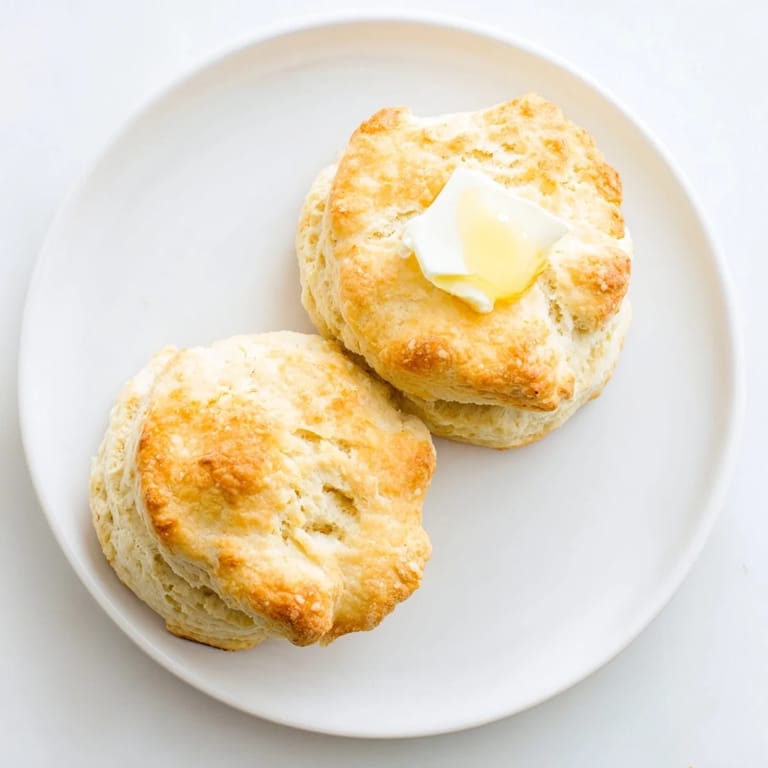
- Brush tops lightly with extra buttermilk and bake for 13-15 minutes until tall and deeply golden brown
 Save
Save My brother once called me at midnight, frantic because he'd promised to bring biscuits to a work potluck the next morning and couldn't get them right. I talked him through the folding technique over the phone while his toddler cried in the background. He texted later that they were the hit of the office, and now he makes them every Sunday with his daughter.
Customizing Your Biscuits
The beauty of this base recipe is how well it plays with additions. Fold in ½ cup grated cheddar and a pinch of black pepper for a savory version, or add fresh herbs like rosemary or chives. I've even made sweet versions with lemon zest and a little extra sugar, served with jam instead of gravy. The folding method stays the same regardless of what you mix in.
Storage and Reheating
Biscuits are best fresh, but they freeze beautifully before baking. Cut them out, arrange on a baking sheet, freeze until solid, then transfer to a bag. Bake from frozen, adding a couple of minutes to the time. For leftover baked biscuits, wrap tightly and reheat in a 350°F oven for 5-7 minutes—the microwave makes them tough and sad.
Serving Suggestions That Work
These biscuits have served me well through countless meals and moments. Split them open for strawberry shortcake in summer, serve alongside fried chicken and gravy for comfort food classics, or simply warm with butter and honey for the easiest breakfast imaginable.
- Make sausage gravy by whisking flour into browned pork sausage and slowly adding milk
- Use day-old biscuits for bread pudding or croutons in Southern-style salads
- Freeze unbaked biscuits and bake fresh for holiday mornings without the prep work
 Save
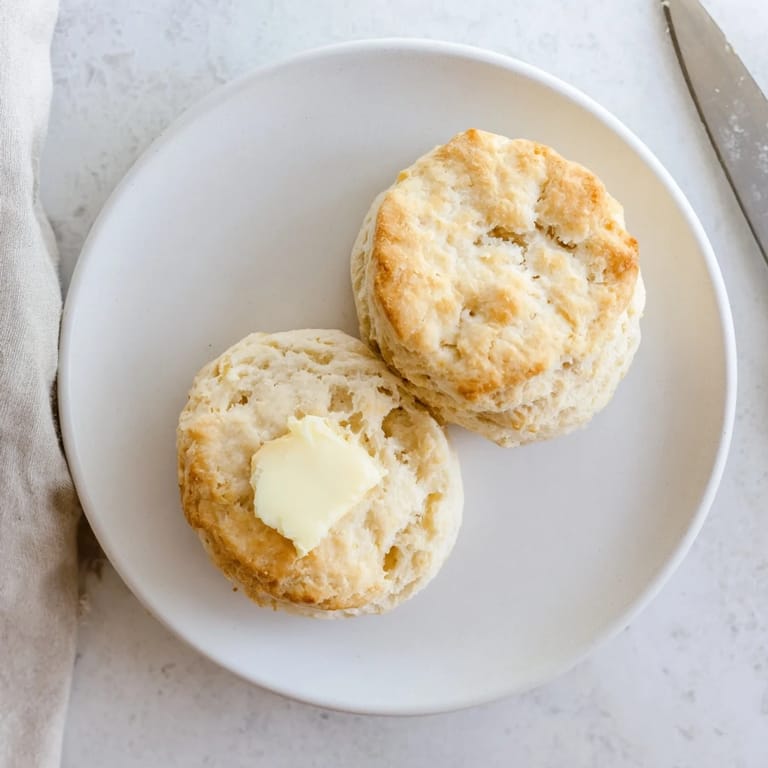
Save There's something deeply satisfying about pulling a tray of tall, golden biscuits from the oven, steam rising as you split one open. These have become the recipe I turn to for celebrations, comfort, and everything in between.
Recipe FAQs
- → What makes buttermilk biscuits flaky?
Cold butter creates pockets of steam during baking, resulting in flaky layers. Folding the dough multiple times also builds extra flakiness by creating distinct layers of butter and flour.
- → Can I substitute regular milk for buttermilk?
Yes. Combine ¾ cup milk with 2 teaspoons lemon juice or vinegar, let sit for 5 minutes until thickened, then use as a buttermilk substitute in this preparation.
- → Why should I not twist the biscuit cutter?
Twisting seals the edges, preventing proper rising during baking. Press straight down and pull up directly to keep edges open for tall, fluffy results.
- → How do I store leftover biscuits?
Store cooled biscuits in an airtight container at room temperature for up to 2 days. For longer storage, freeze individually wrapped and reheat in a 350°F oven for 5-10 minutes.
- → What can I add to the dough for variety?
Fold in ½ cup grated cheddar, fresh herbs like chives or rosemary, black pepper, or garlic powder to customize the flavor profile while maintaining the same technique.