 Save
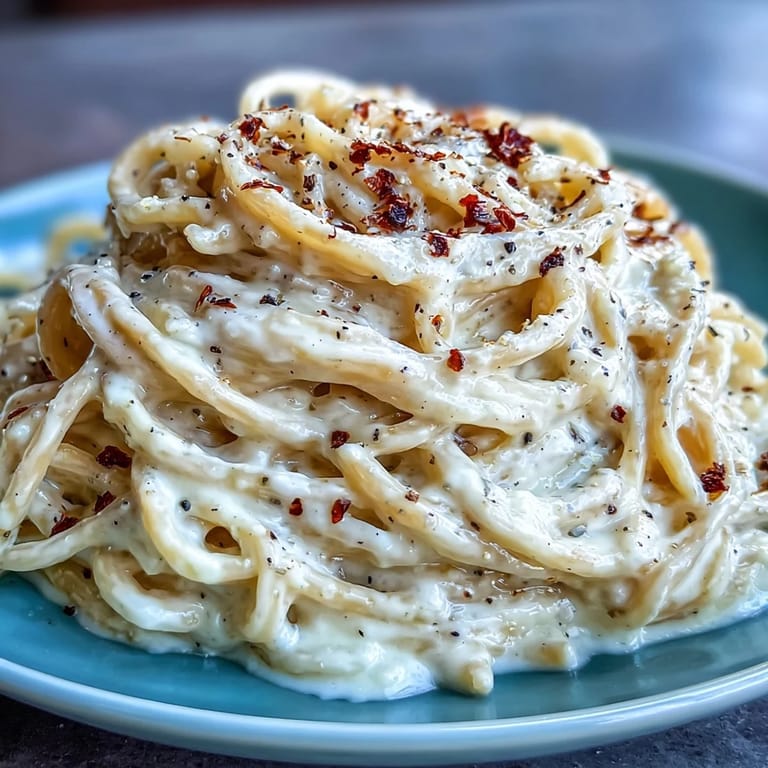
Save My neighbor Rosa once told me that real Cacio e Pepe doesn't need a recipe, just courage. She was right. The first time I watched her make it in her tiny Roman kitchen, she used nothing but a wooden spoon, a hot pan, and an alarming amount of black pepper. The cheese melted into silk without any cream, and I realized I'd been overcomplicating pasta my entire life.
I made this for my brother on a Wednesday night when we were both too tired to think. He stopped mid-bite and asked if I'd secretly taken a cooking class. I hadn't. I'd just finally learned to trust starchy pasta water and stop adding cream to everything. We ate straight from the pan, standing at the counter, and it became our new tradition.
Ingredients
- Spaghetti or tonnarelli (400 g): Tonnarelli is thicker and holds the sauce better, but spaghetti is easier to find and works beautifully if you don't overcook it.
- Pecorino Romano cheese (120 g, finely grated): This is the soul of the dish, so buy a good wedge and grate it yourself because pre-shredded cheese has coatings that ruin the texture.
- Whole black peppercorns (2 tsp, freshly cracked): Toasting them wakes up their flavor in a way pre-ground pepper never will, and the scent alone will make you hungry.
- Kosher salt (1 tsp for pasta water): Your pasta water should taste like the sea, not a swimming pool.
- Unsalted butter (1 tbsp, optional): Purists skip it, but a small knob makes the sauce glossier and a little more forgiving if you're still learning.
Tired of Takeout? 🥡
Get 10 meals you can make faster than delivery arrives. Seriously.
One email. No spam. Unsubscribe anytime.
Instructions
- Boil the pasta:
- Bring a large pot of water to a rolling boil, salt it generously, and cook the spaghetti until it still has a slight bite, about a minute less than the package says. Scoop out one and a half cups of that starchy, cloudy water before you drain anything.
- Toast the pepper:
- While the pasta bubbles away, add your cracked peppercorns to a dry skillet over medium heat and let them sizzle for about a minute until your kitchen smells like a Roman trattoria.
- Build the base:
- Pour one cup of the hot pasta water into the skillet with the toasted pepper and lower the heat. This is where the magic starts.
- Toss the pasta:
- Add the drained pasta to the skillet and toss it around so it soaks up that peppery water. Let it drink in the flavor for a moment.
- Add the cheese:
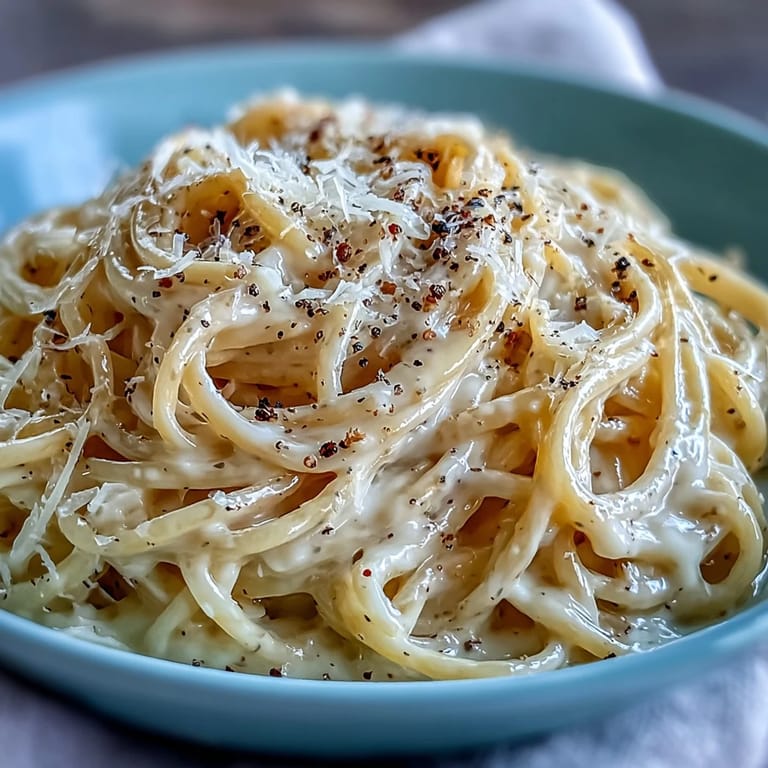
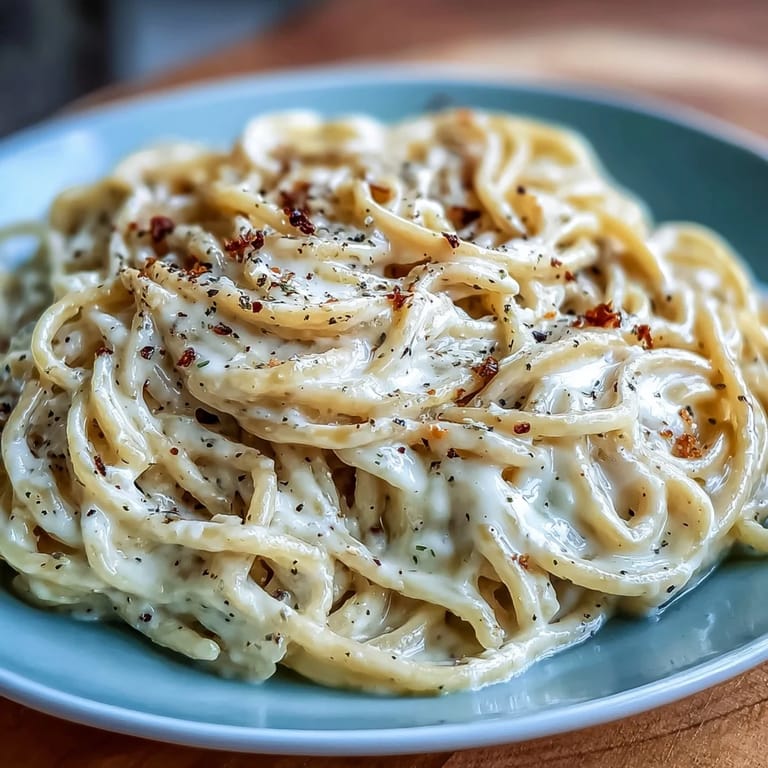
- Pull the skillet off the heat and sprinkle in the Pecorino a little at a time, tossing constantly and adding splashes of reserved pasta water until the sauce turns creamy and clings to every strand. This step requires confidence and a good wrist flick.
- Finish and serve:
- If you're using butter, toss it in now and stir until it melts into the sauce. Serve immediately with extra cheese and pepper on top, because this dish waits for no one.
 Save
Save The night I finally got the sauce smooth and glossy, I stood there grinning at the stove like I'd won something. My roommate wandered in, took one bite, and declared it better than the place we'd tried in Rome. I didn't tell her it had taken me four failed attempts to get there. Some victories are quiet.
Choosing Your Pasta
Tonnarelli is the traditional choice because its square edges grab the sauce in a way round spaghetti can't quite match. But honestly, if all you have is spaghetti or even bucatini, use it. The technique matters more than the shape, and I've made this with whatever was in the pantry more times than I can count.
The Cheese Situation
Pecorino Romano is sharp, salty, and totally different from Parmesan, so don't swap them unless you want a completely different dish. I learned this the hard way when I ran out and tried to fake it with Parmigiano. It was fine, but it wasn't Cacio e Pepe. Grate your cheese on the smallest holes of your grater so it melts fast and doesn't turn into strings.
Serving and Storing
This is a dish that demands to be eaten hot, straight from the pan if possible, because the sauce tightens as it cools. If you have leftovers (rare, but it happens), you can reheat them gently in a skillet with a splash of water or milk, though it won't be quite the same.
- Pair it with a crisp white wine like Frascati or even a cold beer.
- Serve it in warm bowls so the sauce doesn't seize up on contact.
- Leftovers keep in the fridge for up to two days, but lose their creamy magic.
 Save
Save Once you've made this a few times, you'll stop measuring and start feeling your way through it. That's when you know you've really learned it.
Recipe FAQs
- → What type of cheese works best for Cacio e Pepe?
Pecorino Romano is essential for authentic flavor. This aged sheep's milk cheese provides the characteristic sharp, salty taste. Avoid pre-shredded varieties as they contain anti-caking agents that prevent smooth melting. Freshly grated cheese creates the creamiest sauce.
- → Why does my sauce become clumpy instead of creamy?
Clumping occurs when cheese meets excessive heat or insufficient liquid. Remove the pan from heat before adding cheese, and add it gradually while tossing constantly. Use plenty of starchy pasta water to create an emulsion. The water should be hot but not boiling when mixed with cheese.
- → Can I substitute Parmesan for Pecorino Romano?
While Parmesan creates a milder dish, it changes the authentic flavor profile. Pecorino Romano offers sharper, saltier notes that define traditional Cacio e Pepe. If unavailable, use aged Pecorino Sardo as a closer substitute than Parmesan.
- → What pasta shape is most traditional?
Tonnarelli, a thick square-cut spaghetti, is the Roman standard. Regular spaghetti works excellently as well. The key is choosing pasta with enough surface area to hold the peppery cheese sauce. Avoid smooth shapes like penne that won't grip the coating properly.
- → How much pasta water should I reserve?
Reserve at least 1½ cups of starchy cooking water before draining. This liquid is crucial for creating the creamy sauce. The starch acts as an emulsifier, binding the cheese and water into a silky coating. Add it gradually until you achieve the desired consistency.
- → Should I toast the black peppercorns?
Yes, toasting whole peppercorns in a dry skillet for about one minute releases aromatic oils and intensifies flavor. Freshly crack them just before cooking for maximum fragrance. Pre-ground pepper lacks the bold, complex taste that makes this dish special.