 Save
Save My grandmother's kitchen always smelled like ginger and molasses in December, that sharp warmth hitting you the moment you walked through the door. One year, I watched her roll out dough with the kind of practiced ease that comes from making the same cookies for forty years, and I realized these gingerbread cookies weren't just a recipe—they were her love language, pressed into shapes and decorated with such care. Now when I make them, I'm not just baking; I'm holding onto that feeling of standing on a stool beside her, my small hands mimicking hers as we pressed cookie cutters into the dough.
I baked these for a winter open house last year, and a neighbor who almost never eats sweets took three. She came back the next day asking for the recipe, and something about that moment—when a simple cookie breaks through someone's usual walls—made me realize why my grandmother held onto this one for so long.
Ingredients
- All-purpose flour (3 cups): This is your foundation; it creates structure while staying tender if you don't overwork the dough.
- Unsalted butter (3/4 cup): Softened butter is essential here—it creams better and gives the cookies a finer crumb than cold butter ever could.
- Packed dark brown sugar (3/4 cup): The moisture in brown sugar keeps these cookies from being dry; it's what makes them feel homemade instead of stale.
- Molasses (1/2 cup): This is the soul of the cookie—use unsulphured molasses for its warm, complex sweetness, never blackstrap unless you enjoy bitter surprises.
- Ground ginger, cinnamon, cloves, nutmeg (7 teaspoons total): Toast these spices in your mind as you measure them; they work together like a choir, each one strengthening the others.
- Baking soda (3/4 teaspoon): It reacts with the molasses and brown sugar to lift the dough slightly and deepen the color during baking.
- Large egg (1): This binds everything and adds just enough moisture to keep the cookies from cracking when you cut them.
- Vanilla extract (1 teaspoon): A touch of vanilla rounds out the spice blend and keeps the cookies from tasting one-dimensional.
- Granulated sugar for rolling (1/4 cup, optional): This adds sparkle and a subtle texture contrast, but your cookies are complete without it.
Tired of Takeout? 🥡
Get 10 meals you can make faster than delivery arrives. Seriously.
One email. No spam. Unsubscribe anytime.
Instructions
- Combine your dry ingredients:
- Whisk the flour, baking soda, baking powder, ginger, cinnamon, cloves, nutmeg, and salt in a medium bowl until everything is evenly distributed. You'll actually see the spices fleck through the flour—that's your signal that they're mixed properly.
- Cream the butter and brown sugar:
- In a large bowl, beat the softened butter and brown sugar for about two minutes until the mixture looks light, fluffy, and almost pale. This is where air gets trapped in your dough, and that air becomes lift in the oven.
- Add the wet ingredients:
- Drop in the egg, molasses, and vanilla, then beat until the mixture comes together. It will look a bit loose at first, but that's normal—molasses is liquid, and it needs to incorporate gradually.
- Bring it together gently:
- Add your dry mixture to the wet ingredients a little at a time, mixing just until you don't see any white streaks of flour. Stop as soon as the dough is uniform; overmixing toughens cookies.
- Chill the dough:
- Divide the dough into two discs, wrap each one in plastic wrap, and refrigerate for at least one hour until it's firm enough to roll without sticking. If you have time, overnight chilling makes the flavors deepen and the dough easier to work with.
- Roll and cut:
- Preheat your oven to 350°F and line your baking sheets with parchment paper. On a lightly floured surface, roll one disc of dough to about 1/4 inch thick, then cut it into shapes with your favorite cookie cutters. If you want, dip the edges in granulated sugar for sparkle.
- Bake until the edges just set:
- Space the cookies about an inch apart on the sheet, then bake for eight to ten minutes—the edges should look just barely firm while the center still feels slightly soft to the touch. They'll continue to set as they cool.
- Cool with patience:
- Let them sit on the baking sheet for two minutes so they can firm up slightly, then transfer them to a wire rack to cool completely. This prevents them from cracking and lets the interior stay soft.
- Decorate with intention:
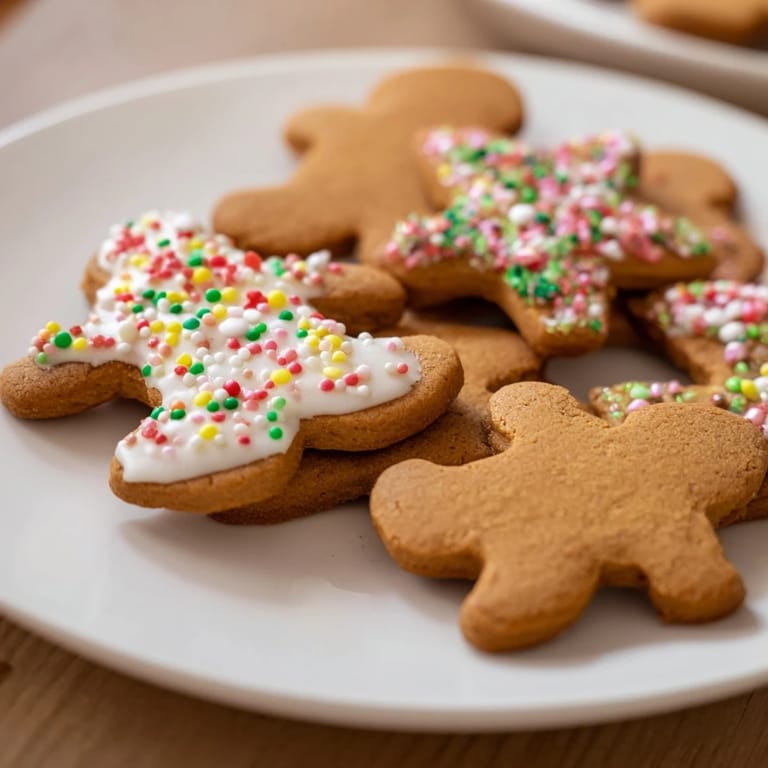
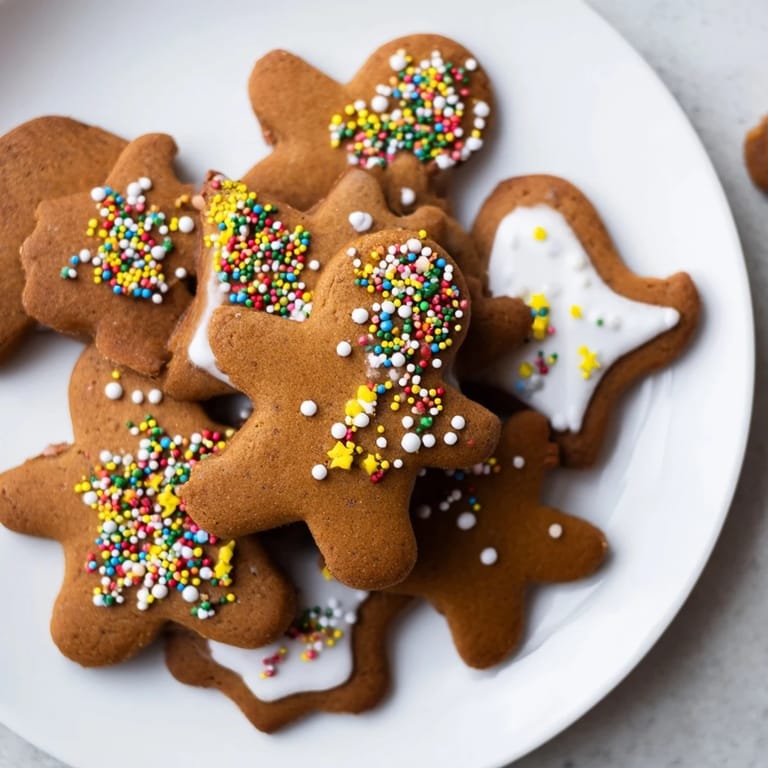
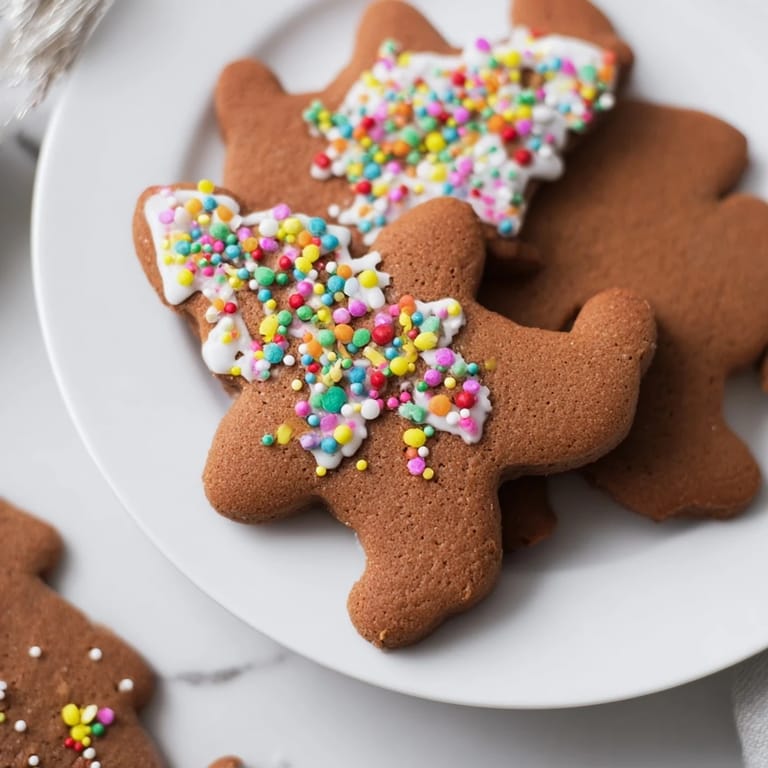
- Once the cookies are completely cool, brush them with royal icing or a simple glaze, then add sprinkles if the mood strikes. Let the icing set before stacking them.
 Save
Save These cookies became tradition because they taste like December feels—warm spice, dark sweetness, and the sense that someone took time to make something beautiful just for you. The shaping and decorating part is where the real magic happens; that's where a simple cookie becomes a gift you can hold in your hand.
The Art of Rolling Dough Without Frustration
Rolling cookie dough requires just three things: a light hand, enough flour on your surface (but not so much it gets absorbed into the dough), and a calm mind. If the dough keeps sticking, pop it back in the fridge for five minutes rather than adding flour endlessly. I learned this the hard way after my third batch turned out gritty from over-flouring.
Decorating Ideas That Actually Work
Royal icing is the classic choice—it dries hard and lets you pipe details—but a thin glaze made from powdered sugar and milk works beautifully if you want something faster and softer. The key is letting one layer dry before adding another, otherwise the colors bleed together into something that looks less intentional.
Storage and Keeping These Fresh
These cookies keep for about a week in an airtight container, but they're best eaten within three days while they still have that tender quality. The raw dough actually stores better than the baked cookies—you can keep it in the fridge for three days or freeze it for up to two months, which means you can have fresh-baked gingerbread cookies without planning a whole production.
- Layer cooled, undecorated cookies between parchment paper so they don't stick together or crack.
- If the cookies are undecorated, you can freeze the whole container for up to a month and they'll taste freshly baked when you thaw them.
- Decorated cookies lose their sparkle and texture in the freezer, so decorate right before serving or gifting them.
 Save
Save These gingerbread cookies remind me that the best recipes aren't just about precision—they're about the moment you slip one into someone's hands and watch their face change when they bite into it. That's when you know you've made something worth repeating.
Recipe FAQs
- → What spices are used in these cookies?
The blend includes ground ginger, cinnamon, cloves, and nutmeg for a warm and balanced flavor.
- → How should the dough be prepared before baking?
After mixing, divide the dough into discs and chill for at least an hour to firm up for easier rolling and shaping.
- → Can these cookies be decorated?
Yes, decorating with royal icing and colored sprinkles adds festive charm and enhances presentation.
- → What baking time yields softer cookies?
Baking for the minimum time of 8 minutes results in softer cookies, while a slightly longer bake creates a crunchier texture.
- → Are there dietary adaptations for allergens?
Gluten-free flour blends can replace all-purpose flour, and plant-based butter substitutes can make these dairy-free.
- → How should they be stored?
Cookies can be refrigerated for up to 3 days or frozen for up to 2 months to maintain freshness.