 Save
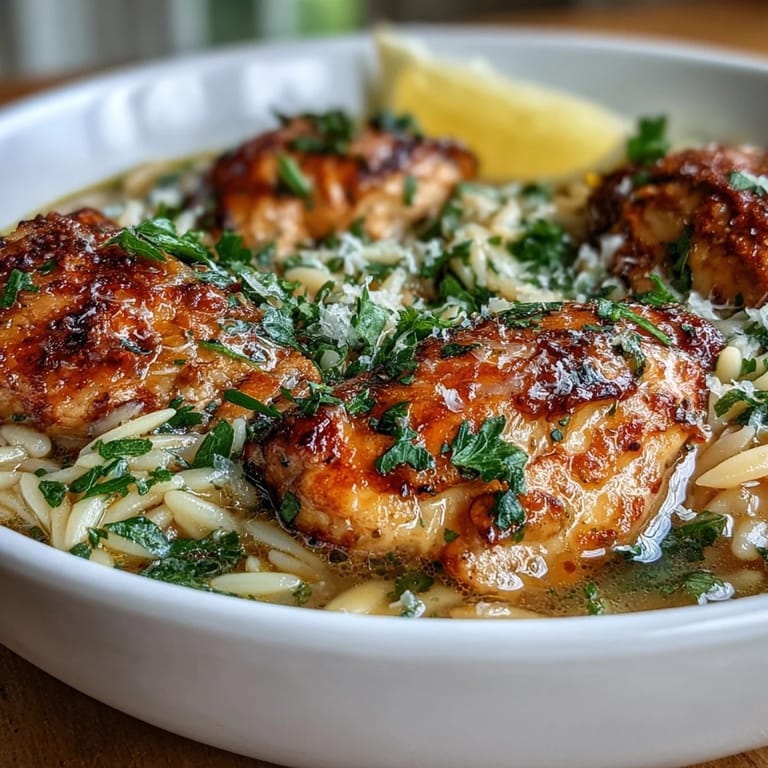
Save There's something magical about weeknight cooking when everything comes together in a single pot—no juggling pans, no mountain of dishes waiting afterward. I discovered this lemon garlic chicken and orzo on a Tuesday when I was craving something bright and comforting at the same time, something that felt restaurant-quality but didn't demand hours of my attention. The first time I made it, my kitchen filled with this incredible aroma of toasted garlic and lemon that had my partner wandering in from the other room asking what smelled so good. Now it's become my go-to meal when I want to impress people without letting them see the minimal effort involved.
I made this for a small dinner party last spring when three friends texted within the same hour asking if I was free, and I realized I had exactly what I needed on hand. As I stirred in the spinach and watched it transform from bright green to silky and wilted, one guest leaned against the counter and said, "This smells like someone who actually knows what they're doing." I didn't tell her I'd learned the recipe the month before—some kitchen secrets are best kept.
Ingredients
- Chicken thighs or breasts (1.5 lbs): Thighs stay more tender and forgiving if you're nervous about dry chicken, but breasts work beautifully too—just don't skip the searing step, which creates those golden, flavorful bits the broth will cling to.
- Olive oil (2 tbsp): Use a decent quality oil; it's one of the few ingredients where you'll actually taste the difference.
- Yellow onion (1 medium): The base of everything good—cook it low and slow enough that it softens without browning, which takes about 3 minutes.
- Garlic (4 cloves): Mince it fine and add the zest at the same time so the flavors marry together beautifully.
- Lemon zest and juice: This is your brightness—don't skip either one, and taste as you go because lemon intensity varies.
- Orzo pasta (1.5 cups): The tiny rice-shaped pasta absorbs all those lemony, garlicky flavors as it cooks, making every bite taste intentional.
- Chicken broth (3 cups): Low-sodium lets you control the salt level and taste the actual chicken flavor.
- Dry white wine (½ cup, optional): It adds a subtle sophistication, but more broth works just as well if you don't have it on hand.
- Fresh baby spinach (4 cups): It wilts down to almost nothing, so don't be shy with the volume.
- Parmesan cheese (⅓ cup): Freshly grated makes a real difference—the pre-grated stuff has anti-caking agents that change the texture.
- Fresh parsley (2 tbsp): A finishing touch that adds color and a whisper of herbaceous flavor at the end.
Tired of Takeout? 🥡
Get 10 meals you can make faster than delivery arrives. Seriously.
One email. No spam. Unsubscribe anytime.
Instructions
- Season your chicken:
- Toss the bite-sized pieces with salt and pepper in a bowl—this small step ensures seasoning gets into every piece rather than sitting only on the surface.
- Sear the chicken until golden:
- Heat olive oil in your pot over medium-high heat until it shimmers, then add chicken and let it sit for a minute before stirring—this creates those caramelized edges that taste incredible. You're not cooking it through; just getting color, which takes about 5-6 minutes total.
- Build your flavor base:
- Once chicken is out, add your chopped onion to the same pot and let it soften for 3 minutes, then add garlic and lemon zest and cook for just 1 minute—this is when your kitchen starts smelling like something special.
- Toast the orzo:
- Stir in the dry pasta and let it toast for 1-2 minutes while stirring, which gives it a subtle nutty flavor that regular boiled orzo doesn't have.
- Deglaze and simmer:
- Pour in wine if using and scrape up all those brown, flavorful bits stuck to the bottom, then let it bubble for a minute before adding your broth and lemon juice.
- Bring everything together:
- Return the chicken to the pot, cover, and let it simmer on medium-low for 10 minutes, stirring occasionally so the orzo doesn't stick to the bottom.
- Finish with spinach and cheese:
- Uncover, stir in spinach, and cook for 2-3 minutes until it's wilted and the orzo is tender, then remove from heat and stir in Parmesan and parsley—the residual heat melts everything together without making the cheese grainy.
 Save
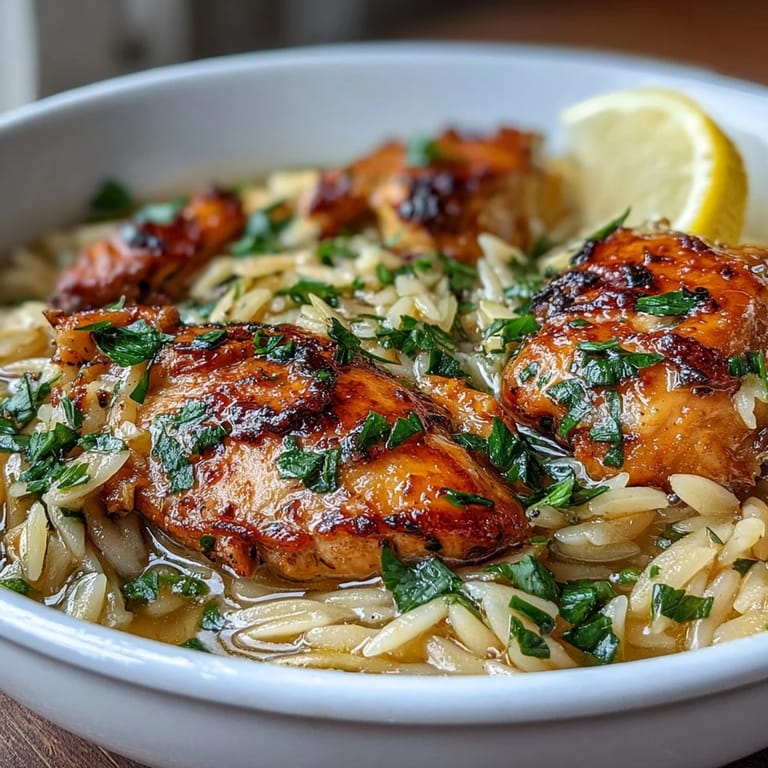
Save I remember one evening making this for my mom during a particularly stressful week for her, and watching her take that first bite—how her shoulders seemed to relax, how she closed her eyes for a second. She asked for the recipe the next day, and I realized that the best meals are the ones that taste like someone cared enough to cook something real for you. This dish has a way of doing that without requiring culinary school or expensive ingredients.
The Magic of One-Pot Cooking
There's a philosophy to one-pot meals that's often overlooked: they force you to build layers of flavor methodically rather than rushing through multiple steps. When you sear the chicken first, then cook your aromatics in the same oil, then toast the pasta—each step builds on the last, and by the time you add liquid, you're not just boiling pasta in broth; you're creating a cohesive dish where every component has been touched by heat and intention. It's the difference between cooking and assembling, and it's why this feels restaurant-quality despite coming from your weeknight kitchen.
Lemon as Your Compass
I used to think lemon was just an ingredient, but making this dish taught me that it's actually a tool—a way to wake up flavors that might otherwise feel flat or heavy. The zest goes in early so it can perfume the entire dish, while the juice goes in with the broth so it can mellow slightly, and then you taste at the end and often add a squeeze more. This isn't overcomplicated; it's just respecting that lemon changes as it cooks, and learning to use it thoughtfully makes every version of this dish taste different depending on how brave you want to be with it.
Customizing Without Losing Your Way
The beauty of this recipe is that it's flexible enough to work with what's in your kitchen without becoming unrecognizable. Swap the spinach for kale or arugula, use rotisserie chicken if you're short on time, add a splash of heavy cream if you want it richer, or go gluten-free with the right pasta substitute—none of these changes will break the dish as long as you remember that the foundation is the sear, the aromatics, and the lemon.
- Rotisserie chicken version: Skip the searing step, use the carcass to make extra flavorful broth if you have time, and add shredded meat at the very end so it warms through without getting dry.
- Creamier variation: Stir in 2 tablespoons of heavy cream or crème fraîche right before serving for a dish that's silkier and more luxurious-tasting.
- Vegetable flexibility: You can add artichoke hearts, sun-dried tomatoes, or roasted red peppers without changing the core technique—just keep the ratios roughly the same so the broth still has enough liquid to cook the orzo.
 Save
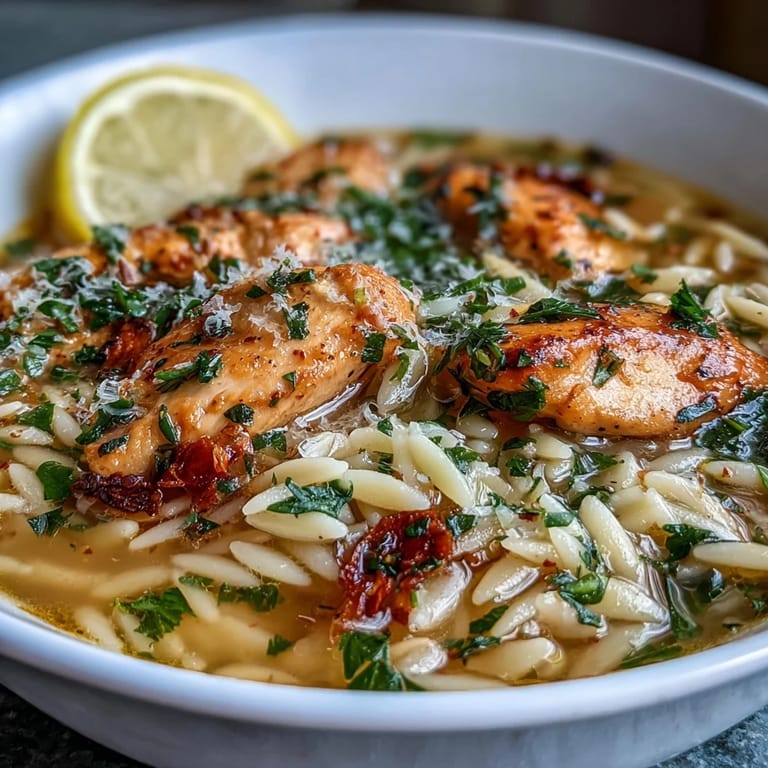
Save This is the kind of meal that proves you don't need complicated techniques or rare ingredients to cook something delicious and meaningful. Make it once and you'll understand why it became such a reliable favorite in my kitchen.
Recipe FAQs
- → Can I use chicken breasts instead of thighs?
Yes, both chicken breasts and thighs work well; adjust cooking time slightly to avoid dryness.
- → Is white wine necessary for this dish?
White wine adds depth but can be omitted or replaced with extra broth without sacrificing flavor.
- → How can I make this dish creamier?
Stir in a couple of tablespoons of heavy cream just before serving for a richer texture.
- → Can I substitute the spinach?
Kale or arugula are great alternatives that add a slightly different texture and flavor.
- → What’s the best cooking vessel for this dish?
A large deep skillet or Dutch oven ensures even cooking and plenty of space for all ingredients.