 Save
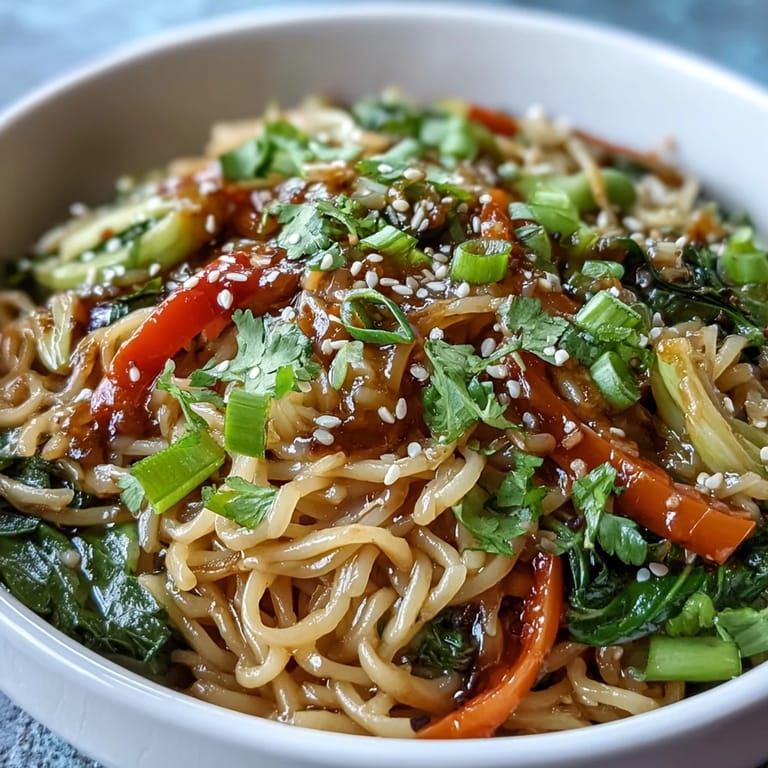
Save There's something about shirataki noodles that caught me off guard the first time I actually bought them—I'd walked past them a hundred times at the market, skeptical about their gelatinous appearance in the package. But one Tuesday evening when I was craving something warm and comforting without the heaviness, I grabbed a pack on impulse and created this bowl, and it became the dinner I make when I want to feel light but satisfied. The ginger sauce transformed everything, turning what could've been a bland experiment into something genuinely craveable. Now it's my go-to meal when I'm short on time but refuse to compromise on flavor.
I made this for my sister once when she was visiting and nervously mentioned she'd started watching her blood sugar, and I watched her face light up when she realized she could eat something this satisfying and not stress about it. She actually asked me to write down the recipe on a sticky note before she left, which I found tucked into my kitchen window months later when cleaning. That moment made me realize this bowl was more than just a personal preference—it was something people genuinely needed.
Ingredients
- Shirataki noodles (400 g): These miracle noodles are made from konjac flour and are practically carb-free, but they need rinsing and a quick boil to remove any residual smell and achieve the right texture.
- Bok choy (1 cup): The tender leaves cook down slightly while the stems stay crisp, giving you textural variety—don't skip rinsing between the leaves since soil loves to hide there.
- Red bell pepper (1/2): The sweetness balances the ginger heat, and slicing it thin means it cooks through in minutes without losing its bright color.
- Snow peas (1/2 cup): These stay crunchy if you don't overcook them, so add them early and keep the heat high.
- Carrot (1 medium): Julienne it thin so it actually softens in the time it takes to stir-fry—thick pieces will stay hard and chewy.
- Green onions (2): Reserve some of the green parts for garnish and add the white parts to the pan where they'll mellow slightly.
- Tamari or gluten-free soy sauce (2 tbsp): Tamari has a deeper, slightly less salty flavor than standard soy sauce, but use what you have.
- Rice vinegar (1 tbsp): This adds brightness without the sharpness of distilled vinegar, keeping the sauce balanced and drinkable as a leftover.
- Toasted sesame oil (1 tbsp): Don't substitute untoasted—the flavor is completely different and essential here.
- Fresh ginger (1 tbsp, grated): Grate it fresh right before using; the warmth and bite fade quickly once exposed to air.
- Garlic clove (1, minced): One clove is delicate and lets the ginger shine, but add more if you're a garlic person.
- Maple syrup (1 tsp, optional): This rounds out the sauce without making it sweet—it's the difference between balanced and flat.
- Chili flakes (1/2 tsp, optional): Start conservatively; you can always stir in more heat but you can't take it back.
- Toasted sesame seeds (1 tbsp): Buy them already toasted because toasting sesame seeds at home is a game of fire or undercooked—let someone else handle it.
- Fresh cilantro or basil (optional): Cilantro has that peppery edge that wakes up the whole bowl, while basil makes it feel more summery.
Tired of Takeout? 🥡
Get 10 meals you can make faster than delivery arrives. Seriously.
One email. No spam. Unsubscribe anytime.
Instructions
- Rescue the shirataki noodles:
- Drain the package, rinse under cold water—you'll notice they smell faintly oceanic, which is completely normal and will disappear with rinsing—then boil them for exactly 2 minutes in a separate pot. Drain and pat thoroughly dry with paper towels, which matters more than you'd think for getting them to absorb the sauce properly.
- Build your sauce:
- In a small bowl, whisk together the tamari, rice vinegar, sesame oil, ginger, garlic, maple syrup, and chili flakes until the ginger is evenly distributed. Taste it straight and adjust—it should make you pause slightly from the ginger heat but taste completely right.
- Get the vegetables moving:
- Heat your skillet or wok over medium-high heat until it's actually hot—you want it to shimmer slightly—then add the carrot, bell pepper, and snow peas without oil since the sauce will add fat. Stir constantly for 2 to 3 minutes until they're just starting to soften at the edges but still have resistance when you bite.
- Add the tender greens:
- Drop in the bok choy and green onions and stir for another minute or two—the bok choy will wilt down faster than you expect. Watch for that moment when everything looks vibrant and cooked but not sad.
- Bring it all together:
- Pour the prepared shirataki noodles into the pan along with the sauce, tossing everything constantly for 2 to 3 minutes until the noodles are heated through and coated. The whole kitchen will smell incredible at this point.
- Serve with intention:
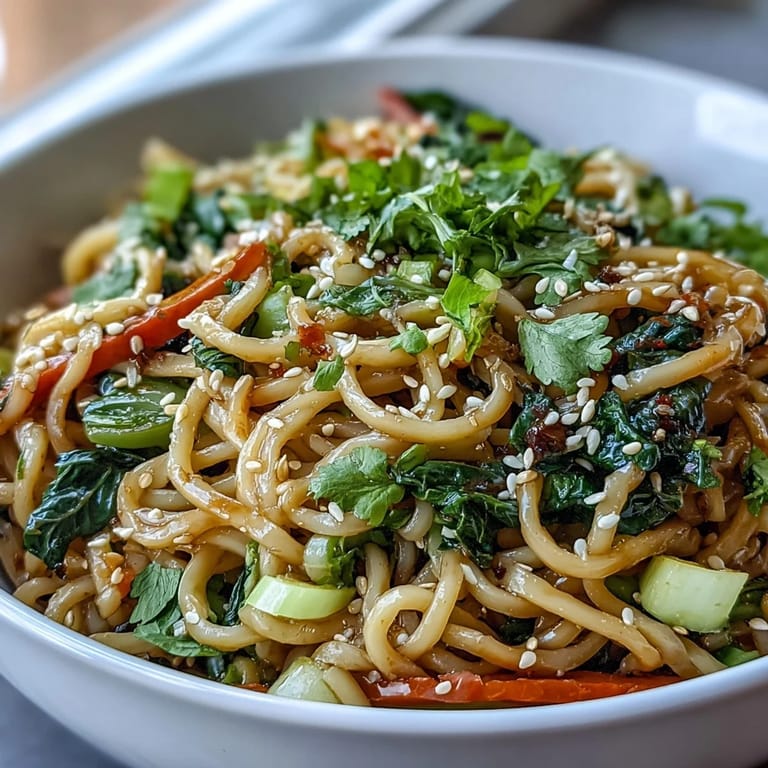
- Divide between two bowls and scatter sesame seeds and fresh herbs on top—the presentation matters because it makes you actually enjoy eating something healthy.
 Save
Save My neighbor watched me make this one afternoon and was amazed that something so vibrant and steaming could actually be low-carb—she'd resigned herself to sad lettuce wraps and thought that was the only way forward. Seeing her realize she could have real texture and actual sauce changed something about how she thought about eating, and now she makes it every week. That's when I understood this bowl was as much about permission as it was about nutrition.
Customizing Your Bowl
The vegetables here are suggestions, not rules—I've made this with broccoli when that was all I had, swapped in mushrooms for earthiness, and added snap peas when snow peas were expensive. The only thing that matters is keeping pieces relatively thin and uniform so they finish cooking at the same time. You could even blanch tougher vegetables like broccoli for a minute before adding them to the pan if you're worried about texture.
Protein Additions
This bowl is technically complete as written, but it absolutely accepts additions if you want something more substantial. A handful of crispy tofu cubes, some leftover tempeh, or even shrimp transforms it into a heartier meal without changing the core flavors.
Flavor Variations and Storage
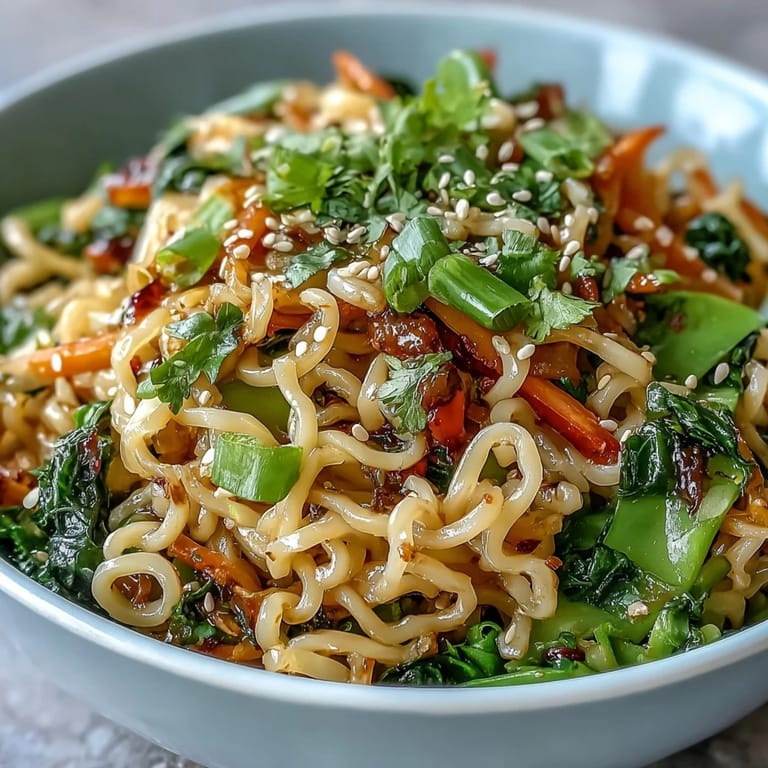
A squeeze of fresh lime juice right before eating brings a brightness that makes the whole bowl snap into focus, and some people swear by adding sriracha or a drizzle of lime oil for extra dimension. Leftovers keep for about three days in the fridge, though the noodles absorb more sauce as they sit, which some people love and others find too intense.
- Make the sauce ahead and store it in a jar—it keeps for a week and saves you precious time on busy nights.
- Add lime, sriracha, or extra chili flakes at the table so everyone can adjust their own heat level.
- If vegetables get watery during storage, drain them gently before reheating in a pan to restore some crispness.
 Save
Save This bowl taught me that healthy eating doesn't have to feel like punishment, and that's something worth returning to again and again. Make it when you need to feel good, and I promise you will.
Recipe FAQs
- → What do shirataki noodles taste like?
Shirataki noodles have a neutral taste that readily absorbs surrounding flavors. Their gelatinous texture becomes more appealing when properly prepared through rinsing and brief boiling.
- → Can I make this bowl ahead?
The sauce can be prepared up to three days in advance and stored refrigerated. For best results, cook vegetables and noodles fresh, as they maintain optimal texture when served immediately.
- → What vegetables work best?
Bok choy, bell peppers, snow peas, and carrots provide excellent crunch and color. Broccoli, snap peas, mushrooms, or zucchini also work beautifully in this preparation.
- → Is this bowl very spicy?
The chili flakes add gentle warmth without overwhelming heat. Omit them entirely or adjust the quantity to suit your preferred spice level while maintaining the aromatic balance.
- → How should I store leftovers?
Keep components separate in airtight containers for up to two days. Reheat vegetables and noodles gently in a skillet, adding fresh sauce to restore moisture and flavor.