 Save
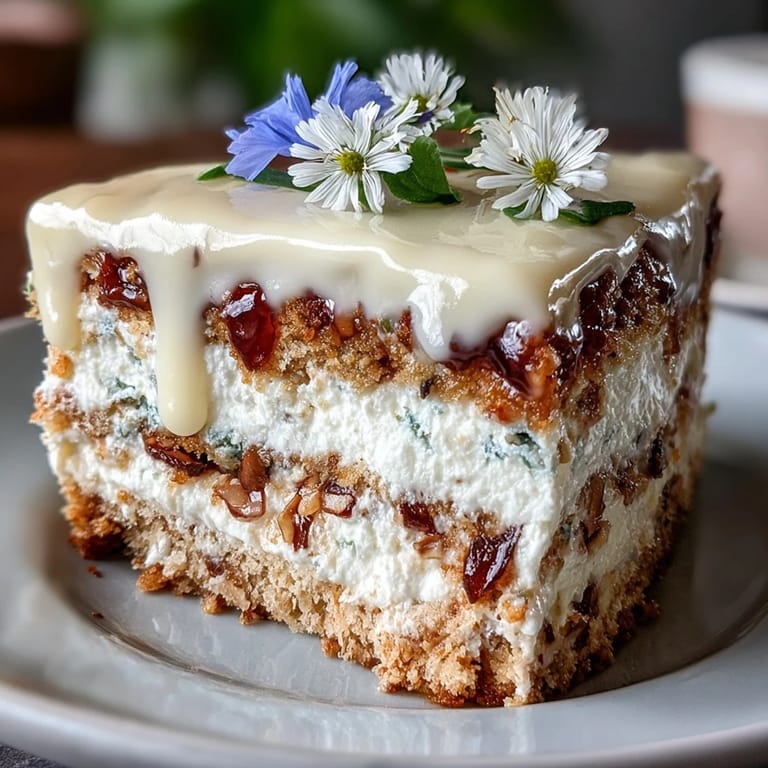
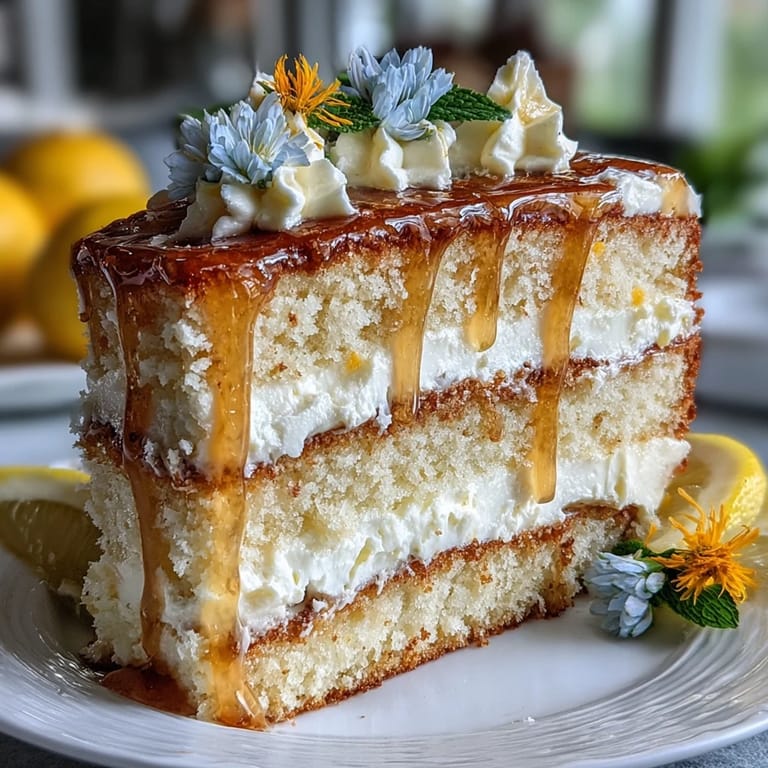
Save Last spring, I watched my neighbor arrange a tiered cake on her garden table, and the way the afternoon light caught those delicate pansies scattered across the frosting stopped me mid-conversation. She'd made it that morning, she said casually, as if layering cake with lemon curd and edible flowers was something everyone did on a Tuesday. It wasn't until I tasted that bright, tart filling against the tender crumb that I understood why she made it look so effortless—this cake practically sings on its own. The simplicity of the naked design lets everything shine: the golden sponge, the glossy curd, the clouds of cream, and those jewel-toned flowers that turn dessert into art.
My sister brought this to a picnic where someone had forgotten the main course, and somehow those three layers of cake and cream became the meal everyone remembered. A child asked if the flowers were real, and when I said yes, she ate her slice with the kind of wonder I hadn't seen in years. That's when I realized this isn't just a fancy dessert—it's a conversation starter that happens to be delicious.
Ingredients
- All-purpose flour: The 315 grams creates a tender crumb that won't overpower the bright lemon flavors, and measuring by weight keeps the cake consistently light.
- Baking powder and baking soda: Together they lift the cake without making it fluffy or dense, creating that perfect springy texture.
- Unsalted butter: Room temperature is non-negotiable here—cold butter won't cream properly with the sugar, and you'll lose the airiness the cake needs.
- Granulated sugar: This amount dissolves completely into the batter, feeding the structure without crystallizing in the finished cake.
- Eggs at room temperature: They emulsify better with the butter, creating a smoother batter that bakes more evenly than cold eggs ever could.
- Vanilla and lemon zest: The vanilla grounds the acidity of the lemon, while the zest adds brightness that bottled juice can't match.
- Buttermilk: Its acidity reacts with the baking soda to create lift, and its tang complements rather than fights the lemon.
- Freshly squeezed lemon juice: Bottled juice tastes hollow by comparison—squeeze it fresh, and the curd becomes silky and alive.
- Lemon zest: Use the finest microplane setting so the zest distributes evenly and doesn't overpower individual bites.
- Egg yolks for curd: They're what transforms the juice into that glossy, spoonable gold you're after.
- Heavy cream: Cold cream whips faster and holds peaks longer, making assembly less stressful.
- Edible flowers: Source them from specialty grocers or farmers markets where you can confirm they're pesticide-free and actually edible.
Tired of Takeout? 🥡
Get 10 meals you can make faster than delivery arrives. Seriously.
One email. No spam. Unsubscribe anytime.
Instructions
- Heat your oven and prepare the pans:
- Preheat to 350°F and line three 8-inch pans with parchment—this prevents sticking and makes removing the layers a breeze. The oven needs time to reach temperature, so do this first while you gather everything else.
- Build the dry ingredients:
- Whisk flour, baking powder, baking soda, and salt together in a medium bowl, which distributes the leavening agents evenly. This step prevents lumps and ensures your cake rises uniformly.
- Cream butter and sugar until fluffy:
- Beat for about three minutes until the mixture turns pale and airy—this incorporates tiny air bubbles that become lift in the oven. You'll feel the texture change under your mixer; it should look like wet sand that's just begun to clump.
- Add eggs one at a time:
- After each egg, beat until you don't see streaks of yellow, then move to the next one—rushing this step results in a broken batter that won't bake evenly. Mix in vanilla and lemon zest after the final egg, letting the zest disperse throughout.
- Alternate dry and wet ingredients:
- Start with dry, add one-third, then buttermilk, then dry again, ending with dry—this prevents the batter from becoming tough from overmixing. Fold gently at each addition, mixing just until combined.
- Divide and bake:
- Pour equal amounts into each pan and smooth the tops with an offset spatula so the layers bake evenly. Bake for 25 to 30 minutes until a toothpick comes out clean—start checking at 23 minutes because ovens vary.
- Cool with intention:
- Let the cakes rest in the pans for 10 minutes—they're still fragile and need that time to set slightly. Then turn them out onto wire racks and let them cool completely before assembly, which prevents the filling from melting.
- Make the lemon curd:
- Set a heatproof bowl over simmering water—the steam gently heats the eggs without scrambling them, which happens if they touch direct heat. Whisk constantly for 8 to 10 minutes until the mixture coats the back of a spoon, then remove from heat and whisk in butter until smooth.
- Whip the cream to stiff peaks:
- Start with cold cream and beat until it holds peaks when you lift the whisk—don't overbeat or you'll end up with butter. Refrigerate until assembly so it stays firm.
- Assemble like you mean it:
- Place the first layer on your serving platter, spread with half the lemon curd, then top with a generous layer of cream. Repeat with the second layer, then crown with the third cake and a thick layer of cream on top.
- Decorate just before serving:
- Arrange edible flowers on top and scatter lemon zest curls—this keeps everything fresh-looking and prevents the flowers from wilting into the cream. The cake is best served within a few hours of final assembly.
 Save
Save The first time I assembled this cake, I was terrified the layers would slide, but the lemon curd acts as glue, and the whipped cream holds everything steady. By the third layer, I felt like I was building something that mattered, which is probably why people always ask for the recipe.
Why This Cake Works for Spring
There's something about the combination of lemon and flowers that feels like the season itself—bright, hopeful, and a little bit fancy without trying too hard. The naked design means you're not wrestling with frosting, and the flavors are light enough to feel appropriate even after a substantial meal. This is the cake you make when you want to celebrate without exhausting yourself.
Storing and Serving
The assembled cake keeps refrigerated for up to 8 hours, though the whipped cream will gradually absorb moisture from the cake layers and soften slightly—this is normal and doesn't affect the taste. If you're making it ahead, prepare the cake layers and curd the day before, then assemble and decorate a few hours before serving.
Variations Worth Trying
Once you've made this cake once, you'll start imagining variations immediately. The base is forgiving enough to accommodate different flavors while staying elegant and light.
- Swap half the whipped cream for mascarpone to create a richer, more substantial filling that still feels fresh and bright.
- Steep the lemon curd with a pinch of ground ginger or a few strands of saffron for complexity that surprises rather than overwhelms.
- Substitute edible rose petals or honeysuckle flowers if you can source them from a trusted grower—each flower brings its own subtle flavor and visual impact.
 Save
Save This cake taught me that sometimes the most impressive desserts are the ones that let their ingredients speak for themselves. Serve it with sparkling wine or elderflower cordial, and watch your guests remember this moment.
Recipe FAQs
- → What types of edible flowers can be used?
Common choices include pansies, violets, marigolds, and nasturtiums, all pesticide-free and safe for consumption.
- → How do I ensure the lemon curd thickens properly?
Cook the lemon juice, zest, sugar, and egg yolks over simmering water, whisking constantly until the mixture thickens to a custard-like consistency.
- → Can the whipped cream be substituted or enriched?
Yes, substituting half the whipped cream with mascarpone adds richness and stability to the layers.
- → What is the best way to prevent the cake from crumbling during assembly?
Chilling both the cake layers and lemon curd before assembling helps maintain structural integrity and ease of layering.
- → Are there alternatives to buttermilk in the sponge?
You can replace buttermilk with milk mixed with a tablespoon of lemon juice or vinegar to achieve similar acidity and tenderness.