 Save
Save I discovered this dish on a Tuesday when my fridge was practically empty except for a package of butter lettuce that was about to turn brown. A friend had been raving about eating lighter but still feeling satisfied, and something clicked when I started browning ground turkey with ginger and garlic—suddenly I wasn't thinking about pasta or rice, just those crisp lettuce leaves waiting to become vessels for something flavorful. The whole thing came together so naturally that I wondered why I hadn't thought of it sooner, and honestly, it's become one of my go-to meals when I want something that feels indulgent but leaves me clear-headed.
I made this for a dinner party last month, and watching people pick up those lettuce cups with their hands, their eyes widening at how much flavor was packed into something so light, reminded me that good food doesn't need to be complicated or heavy. One guest asked for the recipe before dessert was even served, which tells you something about how satisfying this feels.
Ingredients
- Lean ground turkey: It's the foundation here, and using lean means you're not fighting excess grease when the flavors come together.
- Shirataki noodles or rice noodles: Shirataki are nearly carb-free and have a wonderful texture when dried properly, though rice noodles work beautifully if that's what you have on hand.
- Vegetable oil: High heat cooking demands an oil that won't smoke, so don't skip this step.
- Garlic and fresh ginger: Mince these fine because they infuse quickly into the turkey and create that deep, aromatic foundation.
- Green onions: Split the amount—some go in during cooking to build flavor, the rest garnish at the end for brightness.
- Shredded carrots and cabbage: These add color, sweetness, and that satisfying crunch that makes the whole thing feel fresh.
- Low-sodium soy sauce: It allows the other flavors to shine without overwhelming with salt.
- Rice vinegar: This brings acidity that lifts everything on the palate.
- Hoisin sauce: A touch of umami and slight sweetness that makes people ask what the secret ingredient is.
- Toasted sesame oil: Use sparingly because the aroma is intense and beautiful—just a teaspoon does the work.
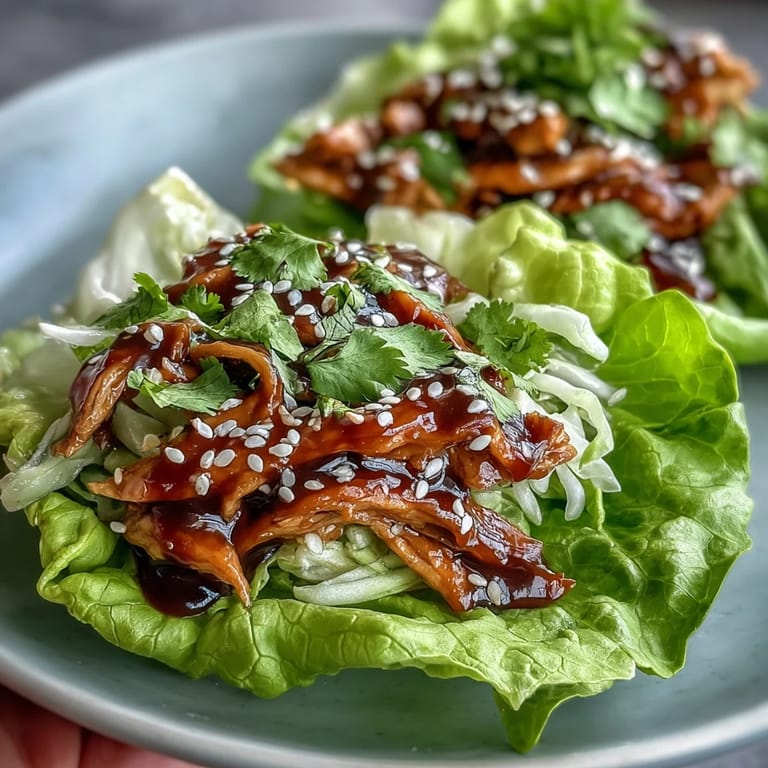
- Butter lettuce leaves: Choose leaves that are still pliable but sturdy enough to hold filling without tearing.
- Sesame seeds and fresh herbs: These finish the dish with visual appeal and a final layer of flavor.
Tired of Takeout? 🥡
Get 10 meals you can make faster than delivery arrives. Seriously.
One email. No spam. Unsubscribe anytime.
Instructions
- Ready your noodles:
- If using shirataki, rinse them thoroughly under cold water—this removes the slightly funky smell and makes them much more pleasant to eat. Pat them completely dry with paper towels so they don't water down your finished dish.
- Brown the turkey:
- Heat your skillet over medium-high heat until it's genuinely hot, then add oil and turkey together. Break it into small, even pieces as it cooks and listen for that steady sizzle, which tells you it's browning rather than steaming.
- Build the aromatics:
- Once the turkey is cooked through, add garlic, ginger, and half the green onions. You'll smell it immediately—that's your signal to stay close for the next minute so nothing burns.
- Add the vegetables:
- Stir in carrots and cabbage, and watch how quickly they start to soften and release their sweetness. They should still have a slight bite to them when you move to the next step.
- Mix your sauce:
- While everything cooks, whisk soy sauce, rice vinegar, hoisin, sesame oil, and chili garlic sauce together in a small bowl so it's ready to go. Taste it on a spoon before adding to the skillet—this is your chance to adjust if you want more or less heat.
- Bring it all together:
- Add the cooked noodles and sauce to the skillet, then toss gently until everything is coated and heated through. The sauce should cling to the noodles and vegetables without pooling at the bottom.
- Assemble the cups:
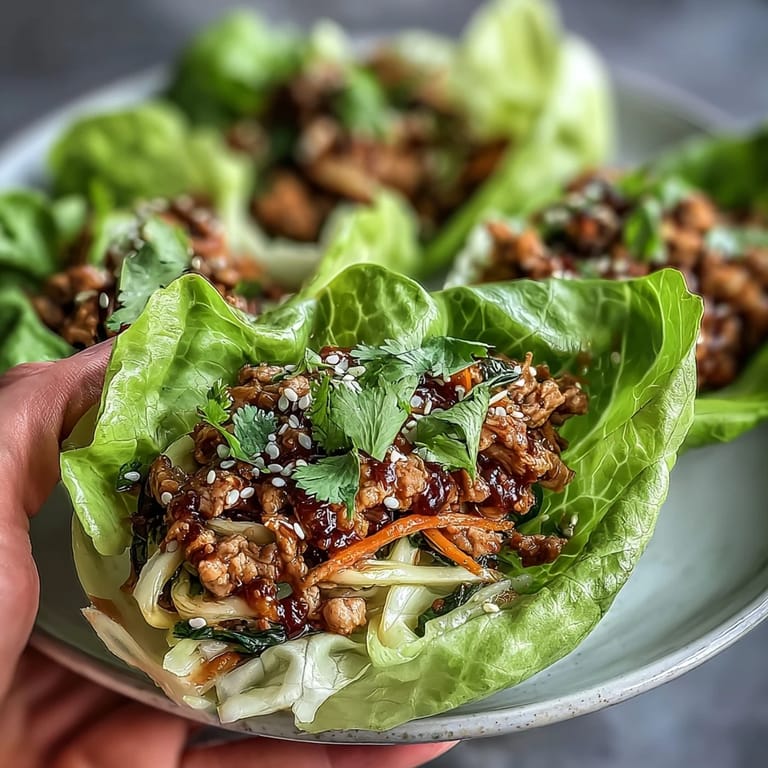
- Spoon the warm mixture into lettuce leaves—don't overfill or they'll tear—then sprinkle with remaining green onions, sesame seeds, and herbs if you're using them. Serve immediately while everything's still warm and the lettuce is still crisp.
 Save
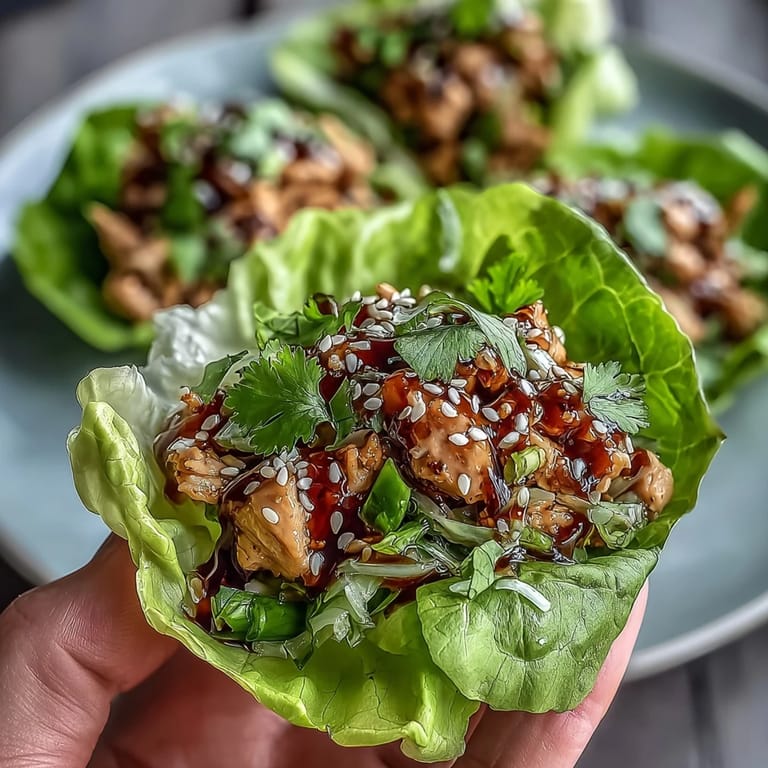
Save There's something deeply satisfying about handing someone a warm lettuce cup and watching them realize they're eating something that tastes restaurant-quality but also makes them feel good. That moment is why I keep coming back to this dish.
The Magic of Lettuce as a Vehicle
Lettuce cups changed my thinking about what constitutes a complete meal. The crispness creates this textural contrast with the warm, savory noodles that you don't get with bread or rice, and it forces you to eat slowly because you're engaging your hands. There's also something psychologically different about eating something you pick up yourself rather than fork-and-plate—it feels less like following a diet and more like discovering something delicious.
Playing with Heat and Flavor Balance
This dish is forgiving in the best way, which is why it became a regular rotation for me. Some nights I skip the chili garlic sauce entirely because I want something soothing, other nights I add extra and pair it with cold jasmine tea. The base is sturdy enough that you can make it your own without anything falling apart.
Customizing for Your Crowd
I've made versions of this for almost every dietary restriction I've encountered, and it adapts gracefully. Tofu crumbles work beautifully in place of turkey, mushrooms add earthiness, and water chestnuts give you that specific crunch people chase in Asian cuisine. The lettuce cups don't care what's inside them—they're just happy to be useful.
- For vegetarian versions, crumble extra-firm tofu into chunks before browning it separately, then proceed exactly as you would with turkey.
- Add water chestnuts or mushrooms during the vegetable step for extra crunch and a slight flavor shift.
- If anyone at your table is soy-sensitive, tamari works perfectly in place of regular soy sauce without changing the dish.
 Save
Save This recipe proved to me that eating lighter doesn't mean eating less satisfying food, and that sometimes the best discoveries come from having almost nothing in the fridge. Make it tonight, and I promise you'll understand why it's become a permanent fixture in my kitchen rotation.
Recipe FAQs
- → Can I make these lettuce cups ahead of time?
Prepare the turkey noodle filling up to 24 hours in advance and store refrigerated. Keep lettuce leaves separate and wash just before serving to maintain crispness. Reheat the filling gently before assembling cups.
- → What other protein options work well?
Ground chicken, pork, or beef substitute easily for turkey. For vegetarian versions, use crumbled firm tofu, tempeh, or plant-based ground meat alternatives. Adjust cooking time slightly as plant-based options typically cook faster.
- → Are shirataki noodles necessary for this dish?
Shirataki noodles keep carbs very low, but cooked rice noodles, thin spaghetti, or even shredded cabbage work as alternatives. Rice noodles absorb sauce beautifully and provide traditional Asian noodle texture.
- → How do I prevent lettuce cups from getting soggy?
Pat turkey and vegetables dry after cooking to excess moisture before adding sauce. Serve filling immediately or hold it warm while keeping lettuce chilled. Spoon filling into cups just before eating to maintain crunch.
- → Can I adjust the spice level?
Omit chili garlic sauce for a mild version or increase to taste. Sriracha, sambal oelek, or crushed red pepper flakes work as alternatives. Add spice gradually to the sauce mixture to find your preferred heat level.
- → What sides pair well with these cups?
Light Asian-inspired sides complement the dish well—try cucumber salad, miso soup, or steamed edamame. The cups work as appetizers or light main dishes, so adjust portion sizes and sides accordingly.